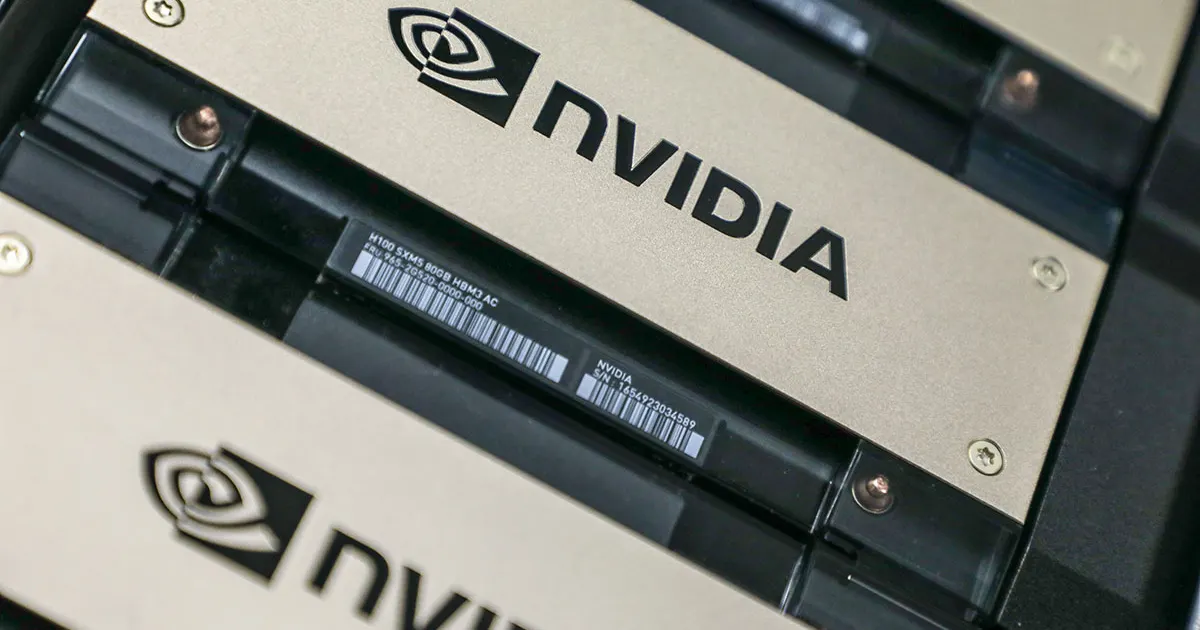
The most valuable cargo in the world right now may be a server rack filled with AI processors. The United States restricts exports of advanced chips to China, and prosecutors say smugglers have found a route around those rules through Southeast Asia. On 1 October, the US Justice Department announced charges against a California executive accused of routing about 300 million dollars of AI servers to China through Malaysia and Singapore, as reported by the South China Morning Post.
The case puts Southeast Asia's two most important technology hubs at the centre of a high stakes fight over AI technology. Singapore is already pursuing its own fraud case linked to server exports, and Malaysia has said it is investigating. For the region's data centre and electronics industries, the scrutiny is growing.
The US case
According to the indictment, Greg Lui, 38, of San Gabriel, California, who owns Earthmade Computer in the City of Industry, bought high end servers containing US made graphics processors and routed them through Malaysia and Singapore to China, using false paperwork about the final destination. A federal grand jury returned the indictment on 29 September, and the Justice Department announced the charges on 1 October, as reported by The Next Web.
Prosecutors cited one transaction involving 27 servers worth about 7.6 million dollars as an example of the alleged scheme. The investigation involves the FBI, the Commerce Department's Bureau of Industry and Security and the Defense Criminal Investigative Service. Reports differ on the specific chip models and the maximum penalties he faces.
It is important to stress that the charges are allegations. Lui is presumed innocent unless proven guilty, and the case will be tested in court.
Singapore's own case
Singapore has been pursuing a separate case for more than a year. The investigation began in early 2025 after an anonymous tip off, and prosecutors have charged several people with fraud over alleged false representations to server makers about the end users of equipment. According to Cybernews, Singapore charged a third person, Jenny Lim, for allegedly conspiring with two others to mislead Dell about the end user.
The case has continued through 2026. One of the accused, Alan Wei, pleaded not guilty on 6 July to 11 charges, and his bail was raised to S$1.25 million, with his lawyer calling the charges misconceived. Police also seized a luxury bungalow worth about S$55 million allegedly bought with proceeds of the scheme, along with about S$1 million from bank accounts linked to the case.
When a chip is worth more than its weight in gold, every port and paperwork gap becomes a potential smuggling route.
Singapore's prosecution is framed as fraud rather than a breach of US export controls, because Singapore enforces its own laws. But the underlying concern, that equipment declared for one destination ended up somewhere else, is the same.

Why Southeast Asia is the route
Malaysia and Singapore are natural transit points for technology trade. Both are major hubs for data centres, electronics manufacturing and logistics, with large legitimate demand for servers and chips. That legitimate activity makes it easier for smugglers to hide shipments that are destined elsewhere.
The region's data centre boom adds to the challenge. Johor in Malaysia and Singapore itself host enormous computing facilities that require vast numbers of AI servers. Distinguishing genuine purchases for local data centres from shipments that will be diverted is difficult, especially when paperwork is falsified.
That puts pressure on governments and companies in the region. The United States has made clear that it expects partners to help enforce export controls, and Southeast Asian countries want to protect their reputations as trusted technology hubs. Malaysia's trade ministry has said it is investigating allegations related to the Singapore case and pledged cooperation.
What it means for the region's tech industry
For Southeast Asia's data centre and electronics companies, the cases raise the cost of compliance. Server makers, distributors and logistics firms must verify end users more carefully, keep better records and watch for red flags such as unusual buyers, rushed orders and inconsistent paperwork.
The practical implications for companies in the region include the following:
- Stronger end user verification for high value AI hardware.
- Closer scrutiny of transactions involving intermediaries and shell companies.
- Greater cooperation with authorities investigating diversion.
- Reputational risk for firms linked, even unknowingly, to smuggling schemes.
We covered the scale of Malaysia's data centre boom in our report on Johor becoming Southeast Asia's data centre capital. That growth depends on the region being seen as a reliable partner in a sensitive technology supply chain.
The geopolitics of AI hardware
The smuggling cases are part of a broader contest over AI technology between the United States and China. Washington restricts exports of the most advanced chips to China, arguing they could strengthen its military and technological capabilities. Demand for those chips in China remains strong, creating a powerful incentive for smuggling.
Southeast Asian countries are caught in the middle. They want investment from American technology companies and good relations with Washington, but they also have deep economic ties with China. Enforcing export controls rigorously can strain relations with Chinese partners, while failing to do so risks American restrictions and lost investment.
The cases show that the United States is willing to pursue smugglers aggressively, including those routing goods through allied and partner countries. That raises the stakes for every company handling AI hardware in the region.
A trust test for Asia's tech hubs
Malaysia and Singapore have built their technology industries on a reputation for reliability, rule of law and openness to investment. The smuggling cases test that reputation. If authorities and companies respond with strong enforcement and better controls, the region can reinforce its position as a trusted partner. If diversion continues, it risks tighter restrictions that could slow its growth.
For now, the courts will decide the individual cases. But the broader message is already clear: as AI hardware becomes one of the world's most strategically important goods, the ports, warehouses and paperwork of Southeast Asia are under closer watch than ever.
Who was charged in the US AI server smuggling case?
Greg Lui, 38, owner of Earthmade Computer in California, was charged in a three count indictment announced by the US Justice Department on 1 October 2026.
What is Greg Lui accused of?
Prosecutors allege he bought high end servers with US made processors and routed them through Malaysia and Singapore to China using false paperwork about their final destination, in a scheme valued at about 300 million dollars.
Is Greg Lui guilty?
The charges are allegations. He is presumed innocent unless proven guilty in court.
What is Singapore's Nvidia related case?
Singapore has charged several people with fraud over alleged false representations to server makers, including Dell, about the end users of equipment. A third person, Jenny Lim, was charged in the case.
What assets did Singapore seize?
Singapore police seized a luxury bungalow worth about S$55 million allegedly bought with proceeds of the scheme, along with about S$1 million from linked bank accounts.
Why are Malaysia and Singapore used as transit points?
Both are major hubs for data centres, electronics and logistics, with large legitimate demand for servers, which makes it easier to hide shipments destined elsewhere.
Is Malaysia investigating?
Yes. Malaysia's trade ministry has said it is investigating allegations related to the case and pledged cooperation.
Why does the US restrict AI chip exports to China?
The United States restricts exports of advanced AI chips to China, arguing they could strengthen China's military and technological capabilities.
What should tech companies in Southeast Asia do?
Companies should strengthen end user verification, scrutinise transactions involving intermediaries, keep thorough records and cooperate with authorities to avoid being linked to diversion schemes.
What happened to the servers in the Singapore case?
Prosecutors allege that servers were sold on the basis of false representations about their end users, so equipment declared for one customer may have gone elsewhere. The accused have not been convicted, and the cases are continuing.
Which agencies are investigating the US case?
The FBI, the Commerce Department's Bureau of Industry and Security and the Defense Criminal Investigative Service are investigating, according to reports.
Is Singapore enforcing US export controls?
Singapore enforces its own laws. Its prosecutions focus on fraud, such as false representations to suppliers about end users, rather than directly on breaches of US export rules.
The AI chip smuggling cases show how a global technology contest is playing out in Southeast Asia's ports and paperwork. Prosecutors in the United States and Singapore are pursuing alleged schemes that routed valuable servers through the region, and governments are under pressure to tighten controls. For Malaysia and Singapore, the challenge is to protect their status as trusted technology hubs while their data centre industries keep growing, and that depends on proving that the region is not an easy route for diverted chips.
Talk to the SpinDepth deskYou've finished this story
Read on, send it to someone, or ask about it.