 Media & Reputation
 Football
 Culture
 Experiences
 Advertising
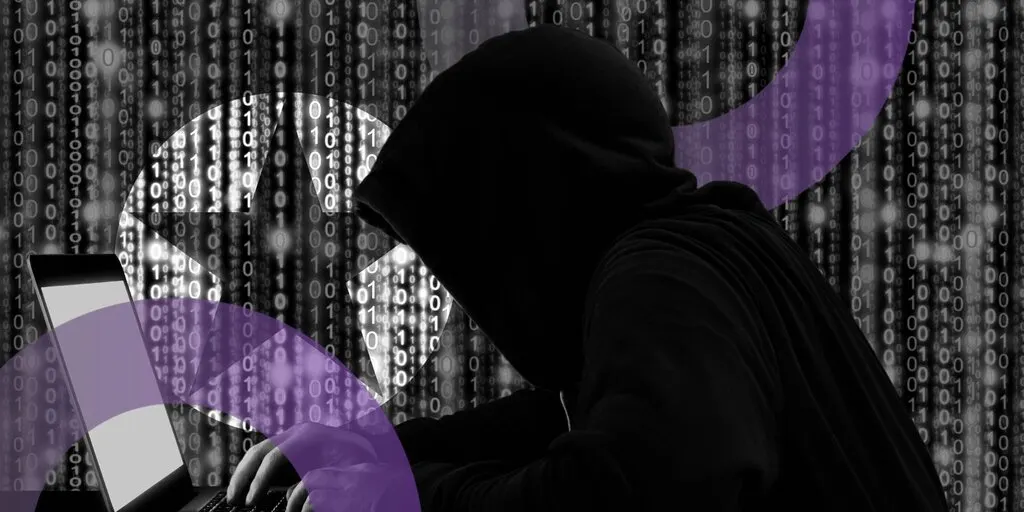
Would you install a software fix if a trusted colleague asked you to during a video call? That single moment, a fake audio glitch and a helpful link, is how North Korean hackers stole more than 400 million dollars in crypto over the past 18 months, according to the US Department of Justice. The FBI calls the campaign FaceStealer, and on 12 November US authorities said they had seized cloud infrastructure used to run it, Decrypt reported.
The colleague on the screen was not real. The hackers played secretly recorded footage of earlier victims and AI generated deepfakes of well known crypto figures to win trust. For the thousands of people who work at exchanges, wallets and blockchain projects across Asia, many of whom take meetings with strangers every day, the case is a warning that the attack now arrives with a familiar face.
How FaceStealer works
The scheme turns a routine video call into a trap. According to the Justice Department, the hackers lure targets into meetings using accounts stolen from previous victims, so the invitation appears to come from someone the target knows. On the call, they play prerecorded webcam footage of that trusted contact to simulate their presence, and they also generate deepfake videos of prominent people in crypto and related industries.
Once the target is at ease, the attackers manufacture a technical problem, such as claiming the person cannot be heard, and offer a link to fix it. The link installs malware. From there, the hackers can drain crypto wallets or exploit the victim's access to other systems, sometimes waiting months or more than a year before striking, Decrypt reported.
The FBI said it seized more than 900 webcam recordings of FaceStealer victims under a federal warrant, footage the hackers had captured to reuse against the victims' own contacts. The bureau published guidance on how to protect against the scheme and what to do after a compromise.
The deepfake is not the weapon. The weapon is the link you click to fix a problem that does not exist. Every crypto firm in Asia should train for that moment.

Who is behind it
The DOJ tied the operation to North Korean groups known publicly by several names, including Sapphire Sleet, UNC1069, Dangerous Password, CryptoCore, APT38, BlueNoroff and Stardust Chollima, Cointelegraph reported. The campaign targeted people working in crypto and Web3, and increasingly open source software developers and maintainers, in an apparent bid to gain access to their devices and code repositories for supply chain attacks.
That shift matters. A compromised developer account can let attackers slip malicious code into software that thousands of companies use, turning one victim into many. It is a more patient and scalable approach than attacking exchanges one at a time, and it explains why the hackers were willing to wait months after first gaining access.
Crypto theft has become central to North Korea's finances. The US recently sanctioned 11 people over a North Korean IT worker scheme that moved millions in crypto, Decrypt noted. North Korea has denied involvement in hacking, and called the FBI's finding on the Binance theft a political provocation.
The many names reflect the way different security firms track the same operators separately. Researchers have catalogued a wide range of North Korean entry points into crypto companies, from fake job offers to poisoned software packages. Bitcoin Magazine reported that Binance described its own breach as a months long campaign that began with a fake job interview, the same patient approach FaceStealer used.
The Binance recovery
The FaceStealer announcement came with an update on the largest crypto theft on record. The Justice Department said it had obtained court authorisation to seize or restrain more than 1.2 billion dollars of the roughly 6.3 billion dollars stolen from Binance on 29 October, part of more than 2.7 billion dollars that US authorities and private sector partners have frozen. The FBI attributed that theft to North Korea's TraderTraitor group, and investigators are still working to recover more.
Binance said it had covered the affected assets with its own funds and that a new proof of reserves snapshot showed at least one to one backing for customer assets, according to Cointelegraph. The hackers have been laundering proceeds at speed, creating a new wallet roughly every 25 seconds, Decrypt reported. We compared the Binance theft with earlier heists in our ranking of the biggest crypto hacks.
The recovery industry is adapting too. TRM Labs launched a service to help police seize stolen crypto in minutes, The Block reported, and Tron, Tether and Chainalysis formed a new crypto crime task force after an earlier one folded, Cointelegraph reported. Speed is the point: once funds pass through mixers and cross chain bridges, freezing becomes far harder.
What it means for Asia's crypto workers
Asia is home to many of the exchanges, wallet providers and development teams that North Korean groups target, and regulators are reacting. South Korea will now let exchanges freeze withdrawals when a hack is suspected, as we reported in our story on the FSC's new withdrawal freeze rule. But the FaceStealer method targets people, not systems, and no withdrawal rule stops an employee from installing malware.
Practical defences for crypto staff and developers:
- never install software or a "fix" sent during a video call, however urgent it seems
- confirm unexpected meeting invitations through a separate channel you already trust
- treat a sudden audio or video glitch on an unfamiliar call as a warning sign
- keep signing keys and wallet access on devices that are never used for meetings
- report suspected compromises quickly, since attackers may wait months before striking
The scale of FaceStealer, 400 million dollars from one campaign, shows that social engineering now rivals technical exploits as North Korea's main route into crypto. The seizure of its infrastructure is a disruption, not an end. For firms across Asia, the cheapest defence is a rule every employee knows: no one installs anything because someone on a call asked them to.
What is FaceStealer?
The FBI's name for a North Korean social engineering campaign that used fake video calls to steal more than 400 million dollars in crypto over about 18 months.
How does the scam work?
Attackers invite targets to meetings from stolen accounts, play recorded footage or deepfakes of trusted people, fake a technical glitch and send a link that installs malware.
Who is behind it?
The DOJ linked it to North Korean groups known as Sapphire Sleet, BlueNoroff, APT38 and other names.
What did US authorities seize?
Cloud infrastructure used in the scheme, and more than 900 webcam videos of victims under a federal warrant.
Who does FaceStealer target?
People working in crypto and Web3, and increasingly open source software developers and maintainers.
Why target developers?
Access to their devices and code repositories could enable supply chain attacks on software many companies use.
Are deepfakes used?
Yes. The DOJ said the hackers generated AI deepfakes of prominent people in crypto and related industries.
How much of the Binance hack has been frozen?
More than 2.7 billion dollars, and the DOJ has court authorisation to seize or restrain more than 1.2 billion dollars.
Who did the FBI blame for the Binance hack?
North Korea's TraderTraitor group. North Korea has denied involvement.
Were Binance customers repaid?
Binance said it covered affected assets with its own funds and that its reserves showed at least one to one backing.
How fast are the hackers laundering funds?
Decrypt reported they were creating a new wallet roughly every 25 seconds.
What is the crypto industry doing?
Analytics firms are building faster seizure tools, and Tron, Tether and Chainalysis formed a new crime task force.
How can I protect myself?
Never install software sent during a call, verify meeting invites through another channel, and keep wallet access off meeting devices.
Has South Korea changed its rules?
Yes. Exchanges may now suspend withdrawals when a hack is suspected, under conditions set by the regulator.
Did the FBI publish advice?
Yes. It issued a public advisory on protecting against FaceStealer and responding to a compromise.
What should I do if I clicked a link on a suspicious call?
Disconnect the device, move funds from any wallet it could reach using a clean device, and report the incident to your security team and the police.
FaceStealer shows how far North Korea's crypto operations have moved from brute force to persuasion. The hackers did not need to break encryption; they needed one trusted face, one invented glitch and one click. US authorities have disrupted the infrastructure and are clawing back part of the Binance haul, but the method is cheap to repeat. For Asia's crypto industry, defence now depends as much on staff habits as on wallet security.
Talk to the SpinDepth deskYou've finished this story
Read on, send it to someone, or ask about it.