In five days, the money world moves to Riyadh. Money20/20 Middle East runs 14 to 16 September at the Riyadh Exhibition and Convention Center, drawing more than 38,500 visitors with 350 plus brands, 350 plus speakers, 600 plus investors and 150 startups. Under Saudi Vision 2030 and Gulf fintech ambitions, the agenda centers open banking in MENA, real-time rails alongside stablecoins and tokenization, and the region's bid to price its own financial future. For an industry exiting a week of ECB decisions, CPI prints and $98 oil, the timing is perfect: Riyadh becomes the room where September's shocks get converted into deals. The ECB eve and oil shock are the context every delegate carries in. Source: FinTech Magazine.
Why Riyadh, why now
The Gulf is no longer pitching potential, it is presenting infrastructure: regulatory sandboxes with real licences, sovereign capital writing real checks, and corridors to South Asia and Africa that need exactly the rails on display. Following a successful launch edition, this year's scale, hundreds of investors against 150 startups, makes it a genuine marketplace rather than a showcase. Stablecoin settlement, tokenized deposits and cross-border cost are not side stages here. They are the main stage, because the region's payments economics demand them. The bank consortium and Singapore statute will be referenced in every other panel. Source: TechToken.
The three deals to watch
First, stablecoin and tokenization partnerships that pick issuance domiciles, with the G20's deferred rulebook pushing announcements toward Riyadh-friendly jurisdictions. Second, open banking and real-time payment linkages between the Gulf, South Asia and Africa, where corridor costs still invite disruption of the Felix Pago kind. Third, AI in finance, from underwriting to fraud detection, funded by investors rotating out of saturated Western fintech themes. The CPI outcome days earlier sets the risk appetite every handshake depends on.
- 14 to 16 September, Riyadh Exhibition Center
- 38,500 plus visitors, 600 plus investors
- 350 plus brands and speakers, 150 startups
- Themes: open banking, stablecoins, tokenization
What it means for APAC and global fintech
For Asian platforms, Riyadh is the western capital counterpart to Singapore's regulatory clarity: partnerships signed here fund expansion across the Middle East to South Asia corridor. For global banks, the Dealmakers Lounge is where consortium stablecoin plans meet sovereign distribution. For startups, 600 investors in one place compresses a year's fundraising into three days. The Bitcoin level back home will flicker on every trader's phone between meetings, a reminder that macro never pauses for conferences.
Thirty-eight thousand people do not fly to the desert for panels. They fly for the three days when the industry's calendar, capital and corridors align.
Saudi Arabia's fintech push
Saudi Arabia has made financial technology a pillar of its Vision 2030 economic programme. The Saudi Central Bank, SAMA, runs a regulatory sandbox for new financial services, has issued an open banking framework and has licensed digital banks and payment firms. The country's instant payment system, sarie, launched in 2021, lets bank customers send money between banks in seconds at any time. The Capital Market Authority runs its own fintech programme for investment services. Together these give fintech firms a clearer route to market than in many emerging economies.
Why remittance corridors matter
Saudi Arabia is one of the world's largest sources of remittances, with millions of workers sending money home to countries such as India, Pakistan, Egypt, Bangladesh and the Philippines. Faster, cheaper transfers along those corridors are a large prize for payment companies. Many of the partnerships announced at regional events concern exactly these routes: linking Gulf banks and wallets to payment systems in South Asia and Africa, often using real-time payment links or digital wallets.
Open banking and what it changes
Open banking lets customers share their bank data securely with licensed third parties, such as budgeting apps or lenders, and in later stages allows those third parties to initiate payments. For consumers, it can mean easier access to credit and better tools for managing money. For banks, it means competition from fintechs and new partnership opportunities. Saudi Arabia's framework has moved in stages, starting with data sharing and moving towards payment initiation.
Stablecoins and tokenisation in the Gulf
Gulf regulators have taken different approaches to digital assets. The UAE has several regimes, including Dubai's virtual assets regulator and the frameworks of its financial free zones. Saudi Arabia has been more cautious with crypto trading but active in exploring central bank digital currencies and tokenisation, including participation in international projects. Announcements at events like this one often concern pilots and partnerships rather than live retail products, so it is worth reading the details carefully.
How to get value from a large fintech event
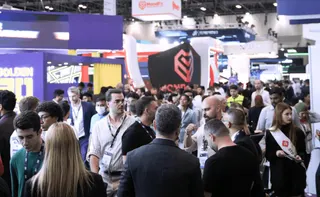
With tens of thousands of visitors, the main risk at a large event is spending three days in crowded halls without meaningful conversations. Attendees who get the most out of it set clear goals, research which companies and investors will attend, book meetings in advance through the event app and choose a small number of sessions that matter to their business. Side events organised by investors, banks and embassies often provide the best introductions.
Reading announcements after the event
Events produce a flood of memoranda of understanding, partnerships and launches. A memorandum of understanding is usually a statement of intent, not a contract. Partnerships matter once they lead to live services. Launches matter once customers can use them. Following up on announcements a few months later shows which ones were real milestones and which were mainly for the stage.
A checklist for attendees
- Define what you want from the event: investors, partners, clients or knowledge.
- Book meetings before arrival.
- Choose sessions on regulation and payments infrastructure if you plan to operate in the region.
- Bring clear information on your licences and compliance approach.
- Follow up within two days and track results over months.
The bigger picture
Money20/20 Middle East is the Gulf's coming-out party as a fintech rule-maker rather than a capital source. With Western regulation fragmenting and Asian frameworks maturing, Riyadh offers a third pole: money, mandate and market access in one venue. September's shocks walk in, partnerships walk out.
What to watch next
Watch stablecoin domicile announcements, corridor partnership MOUs, and the size of AI-fintech checks versus payments checks. And watch whether oil headlines from the strait crash the party or fund it, because in Riyadh the energy price is the conference sponsor.
What is Money20/20 Middle East?
The Middle East edition of Money20/20 runs 14 to 16 September 2026 in Riyadh, expecting 38,500 plus visitors, 350 plus brands and speakers, 600 plus investors and 150 startups, focused on open banking, stablecoins and tokenization.
Why does it matter this year?
It lands days after the ECB decision, US CPI and the CLARITY vote countdown, so macro shocks convert directly into deal urgency across stablecoins, corridors and AI finance.
What is sarie?
Saudi Arabia's instant payment system, launched in 2021, which lets bank customers send money between banks in seconds at any time.
What is a memorandum of understanding?
A statement of intent between parties, usually not legally binding. It often precedes a contract but does not guarantee one.
Why are Saudi remittance corridors important?
Saudi Arabia is one of the world's largest sources of remittances, so faster, cheaper transfers to countries such as India, Pakistan and the Philippines are a major market.
You've finished this story
Read on, send it to someone, or ask about it.