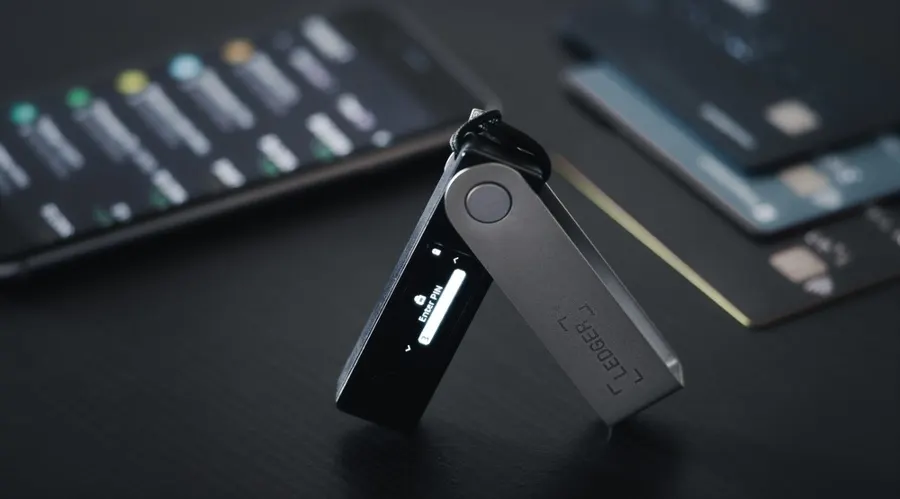
Hardware wallet maker Ledger has asked CryptoBilis, a reseller operating in Southeast Asia, to pause all sales and shipments of Ledger devices while it investigates reports of fund losses among the reseller's customers. The company said on 9 October that it was looking into losses reported by users in the region who bought devices from CryptoBilis, and that the pause would remain in place pending the results of its investigation.
The scale is not yet confirmed. A widely shared estimate from Specter, a pseudonymous on-chain investigator, put suspected losses at more than 86 million US dollars, with inflows from victim wallets traced across Ethereum, TRON and Bitcoin. Finance Magnates stressed that the figure is preliminary and unverified, and Specter later acknowledged that the number of victims had not been established. Ledger has not confirmed a loss total or the number of affected customers.
What Ledger has told customers
Ledger's guidance is specific. Customers who bought a device from CryptoBilis in the last 90 days and have not yet set it up should not start setup. Customers who have already set up a device bought from the reseller should consider moving their assets to a new Ledger signer protected by a new seed phrase.
The company has not named the affected countries, identified victims, or linked the incident to a flaw in its devices. That distinction matters. A hardware vulnerability would put every Ledger owner at risk. A problem confined to one reseller's supply chain, or to how that reseller's customers received their devices and recovery phrases, is serious but contained.
It also matters for how other brands should read the episode. Ledger moved quickly to stop sales through the channel under suspicion and gave customers clear, actionable steps, while declining to speculate on the cause. In a security incident, that combination of speed, specificity and restraint is usually what protects long-term trust.
Customers who are unsure where their device came from should check their purchase records. An order placed directly through the manufacturer's website or an authorised retailer is a different risk profile from a device bought through a marketplace listing or a social media seller. When in doubt, the conservative step is the one Ledger recommends to CryptoBilis buyers: set up a fresh device from a trusted source and move funds to a newly generated recovery phrase.
What is not yet known about the attack
The mechanism is still unclear. Investigators have not established whether buyers received altered or counterfeit hardware, devices with recovery phrases that had already been exposed, or whether victims were caught by phishing or by approving malicious transactions. Until the investigation concludes, it cannot be described as a confirmed hardware exploit or a confirmed supply-chain attack.
Each possibility points to a different failure. Counterfeit or tampered devices would be a supply-chain compromise. Pre-printed or pre-generated recovery phrases would be a social engineering scheme that exploits buyers who do not know a genuine device generates its own seed. Phishing would mean the device itself was never the weak point, only the user's approval of a transaction.
The incident follows a period of heavy losses across the industry. Bitget confirmed a 387.5 million dollar breach less than three weeks earlier, a different incident involving a different custody model. Together they show attackers targeting both centralised platforms and the self-custody tools that users adopt to avoid platform risk.
- Ledger asked CryptoBilis to pause all sales and shipments on 9 October.
- Suspected losses estimated at more than 86 million dollars by investigator Specter, preliminary and unverified.
- Victim wallet inflows traced across Ethereum, TRON and Bitcoin.
- Ledger has not confirmed losses, victims, countries or a device vulnerability.
A genuine hardware wallet never arrives with a recovery phrase already written down. If yours did, treat the funds behind it as exposed.
What every hardware wallet buyer should check now
Most of the protective steps apply to anyone holding crypto in self-custody, wherever they bought their device. A genuine device generates its recovery phrase during setup, on its own screen. Any device that arrives with a pre-printed phrase, a scratch card containing words, or instructions to import an existing phrase should be treated as compromised.
Buyers should also check the packaging and the device's authenticity through the manufacturer's official app, buy from the manufacturer's own store or clearly authorised partners, and never type a recovery phrase into a website, a form or a support chat. Ledger and other manufacturers do not ask customers for their seed phrase under any circumstances.
Finally, users should read every transaction they approve. Many drains happen not because a device is compromised but because the owner signs a malicious approval presented by a fake website or airdrop. A hardware wallet protects keys, but it cannot protect a user who authorises the attacker.
Why Southeast Asia is exposed to reseller risk
Official distribution of hardware wallets is uneven across Southeast Asia. Shipping from manufacturer stores can be slow or expensive, import duties vary, and buyers often turn to local resellers, marketplaces and social commerce sellers for faster delivery and local payment options. That creates a long tail of intermediaries between the factory and the user.
Each intermediary is a point where a device can be swapped, opened or bundled with misleading instructions. Most resellers are legitimate, and nothing in Ledger's statement accuses CryptoBilis of wrongdoing. But when losses cluster among customers of one channel, the channel becomes the first place investigators look.
Regional regulators have been tightening rules on crypto platforms, from Thailand's actions against unlicensed exchanges to Vietnam's new licensing regime. Self-custody hardware has largely sat outside that perimeter. If the investigation points to the supply chain, expect pressure on manufacturers to publish authorised reseller lists for each country and on marketplaces to police listings.
Buyers in the region also face a language barrier. Setup instructions, warnings and support pages are often published first in English, while scams arrive in local languages through messaging apps. A buyer who cannot easily read the official guidance is more likely to trust a reseller's printed card or a helpful stranger in a chat group, which is exactly the behaviour attackers exploit.

The communication lesson for crypto brands
For any brand that sells security, an incident like this is the ultimate stress test. Ledger's statement did three things well. It acted on the channel immediately, it told customers exactly what to do, and it refused to guess at causes it had not confirmed. Those choices limit panic without hiding the problem.
The harder part comes next. Customers will want to know what happened, who is responsible, and whether they will be compensated. Silence for too long invites speculation, while premature conclusions risk being wrong in public. The brands that keep trust through incidents publish a timeline of updates and stick to it.
For resellers and partners, the lesson is about verification. A manufacturer's reputation now depends on every channel that carries its product. Expect stricter authorised-reseller programmes, serial number checks and public lists that let buyers confirm a seller before they pay. We have covered how trust signals shape choices in the region in our report on broker trust and transparency in Thailand.
Why the first number sticks
Transparency about numbers will matter too. Early estimates such as the 86 million dollar figure travel fast and stick in headlines even when they are later revised. Brands caught in an incident are better served by publishing their own verified figures as soon as they can, rather than letting the first unverified number define the story.
What happened with Ledger and CryptoBilis?
On 9 October 2026 Ledger said it was investigating fund losses reported by Southeast Asian users who bought devices from reseller CryptoBilis, and asked the reseller to pause all sales and shipments while it investigates.
How much was lost?
Investigator Specter estimated more than 86 million US dollars in suspected drains, but the figure is preliminary and unverified. Ledger has not confirmed a total.
I bought a Ledger from CryptoBilis. What should I do?
Ledger advises that if you bought in the last 90 days and have not set it up, do not set it up. If you already use it, consider moving your assets to a new Ledger signer with a new seed phrase.
Is there a flaw in Ledger devices?
Ledger has not linked the losses to a general device vulnerability. Investigators have not established whether the cause was tampered hardware, exposed recovery phrases, phishing or malicious approvals.
How can I tell if a hardware wallet is genuine?
Buy from the manufacturer or an authorised partner, check authenticity in the official app, and make sure the device generates a new recovery phrase on its own screen during setup. Never use a phrase that came printed in the box.
Does Ledger ever ask for my recovery phrase?
No. Ledger and other hardware wallet makers never ask customers for their recovery phrase. Anyone who asks for it, through a website, an email, a phone call or a support chat, should be treated as a scammer.
The CryptoBilis episode is still unfolding, and its final cost may turn out higher or lower than the early estimates. What is already clear is that self-custody is only as strong as the path a device takes to its owner and the habits of the person using it. For buyers in Southeast Asia, the safest response is simple: buy from official channels, generate your own seed, and verify every transaction. For crypto brands, it is a reminder that fast, specific and honest communication is part of the security product.
Talk to the SpinDepth deskYou've finished this story
Read on, send it to someone, or ask about it.