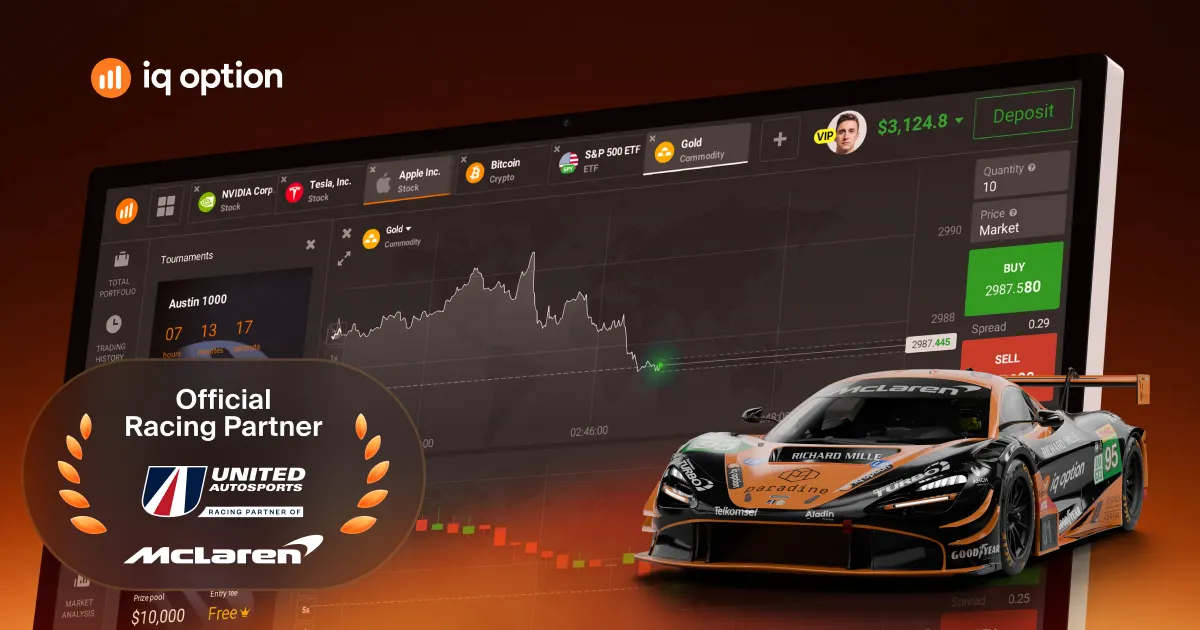
IQ Option and Pocket Option sit in the same fixed-payout corner of retail trading but win different halves of it. IQ Option leads on regulation and multi-asset breadth across crypto, forex and stocks, while Pocket Option wins on low entry cost, high payouts and fast withdrawals. Side-by-side 2026 comparisons such as DayTrading.com and TradingSkillLab reach the same split: safety-first traders lean IQ Option, payout-first traders lean Pocket Option. The binary trio from September set the category context. Platform brands can partner with SpinDepth on entity-clarity content.
Regulation: the deciding gap
This is where the two split hardest. Traders Union's Pocket Option safety review reads Pocket Option as tier-3, and BinaryOptions.net is blunt about its unregulated status and high-risk profile. IQ Option carries a stronger regulatory posture alongside its generalist CFD range, which is why the binaryoptions.com comparison frames IQ Option as the more regulated pick. The licence guide shows how to confirm either entity in a register.
Payouts, entry and the OTC caveat
Pocket Option's pitch is accessibility: low minimums, a rechargeable demo, many payment rails and a polished proprietary platform, per BinaryOptionsVision. Its OTC assets trade on weekends and are priced by the platform itself, a fact worth reading twice before treating weekend payouts as market moves. IQ Option counters with broader asset coverage and a slower, more regulated rhythm. The Deriv record piece shows the same offshore-lean risk profile this category shares.
- IQ Option: stronger regulation, broader assets
- Pocket Option: low entry, high payouts
- Pocket Option OTC assets self-priced
- Safety versus payout-first choice
Key takeaways
Neither platform removes risk; they trade it differently. IQ Option trades payouts for regulation and breadth, Pocket Option trades regulation for speed and payout. Verify entity, then choose the trade-off you can live with.
One sells the regulated range, the other the raw payout. Neither sells certainty.
The break-even maths both platforms share
Fixed-payout trades pay a set percentage if the price finishes on the right side and lose the whole stake otherwise. The break-even win rate is 1 divided by 1 plus the payout. At an 80 percent payout, a trader must win about 55.6 percent of trades to break even; at 90 percent, about 52.6 percent; at 70 percent, about 58.8 percent. Higher payouts reduce the house edge but do not remove it, and very short expiries push a typical trader's win rate towards 50 percent, below break-even.
That arithmetic is the same on any platform, which is why the payout on each asset and expiry matters more than any feature.
What OTC assets are
Pocket Option offers OTC assets, which trade when the underlying markets are closed, including weekends. Their prices are generated by the platform rather than by a live exchange. That means there is no external market setting the price and no independent reference to check it against. Trading OTC assets means trusting the platform's pricing entirely, with the platform also on the other side of the trade. Traders should understand this before treating weekend charts as real market movement.
Where regulators stand
Binary and fixed-payout options are banned for retail clients in the EU, the UK and Australia, following decisions by ESMA, the FCA and ASIC. Regulators cited the products' structure and the high share of clients who lost money. Platforms that offer them serve clients through entities in other jurisdictions. Some describe membership of private organisations that sound like regulators; membership of a self-styled association is not a licence and does not give clients the protections of a financial regulator.
Comparing the platforms honestly
IQ Option has offered a broader range of products, including CFDs on stocks, forex and crypto, and has historically presented a stronger regulatory posture. Pocket Option focuses on accessibility: low minimum deposits, many payment methods, a free demo account, social trading features and high advertised payouts. Neither changes the core economics of fixed-payout trading. The comparison comes down to which entity holds the account, what the payouts and withdrawal terms are and how each platform has behaved for clients over time.
Bonuses, tournaments and promo codes
Fixed-payout platforms often promote deposit bonuses, promo codes and trading tournaments. Bonuses commonly require a multiple of the bonus to be traded before withdrawal, which can tie up the client's own deposit too. Tournaments encourage frequent trading. Read the full terms of any offer and decide whether you would accept the conditions if the deposit could not be withdrawn until they are met.
Withdrawals as the test that settles it
For both platforms, the deciding evidence is how withdrawals are handled: the methods, fees, timings and whether extra verification appears only after a profitable period. A small deposit and withdrawal before trading seriously is the most reliable check, and keeping records of every request and reply protects a client if a dispute arises.
A safer approach for anyone tempted
- Practise on the demo account and record your win rate over hundreds of trades.
- Compare that win rate with the break-even rate for the payouts on offer.
- If you trade real money, use only an amount you can afford to lose entirely.
- Avoid bonuses with volume conditions.
- Test a withdrawal early.
Why short expiries hurt
Many trades on these platforms expire within a minute or a few minutes. Over such short periods, price movement is close to random for almost every trader, so win rates drift towards half. With break-even rates above 52 percent at even the highest payouts, frequent short trades let the house edge compound quickly. Longer expiries and fewer trades slow that process, though they do not reverse it.
The bottom line
Choosing between IQ Option and Pocket Option is choosing between two versions of the same product. The maths of fixed payouts, the regulatory bans in major markets and the withdrawal test apply to both, and they matter more than any difference in features.
The bigger picture
Fixed-payout platforms split into regulated generalists and offshore payout specialists, and each survives because a different trader type funds it. The gap between them is the gap between what traders want and what regulators allow.
What to watch next
Watch Pocket Option's regulatory posture for any upgrade signal. Watch IQ Option's asset expansion. And watch withdrawal threads, the metric that settles this comparison faster than any table.
Which is better, IQ Option or Pocket Option?
IQ Option for regulation and asset breadth, Pocket Option for low entry cost, high payouts and fast withdrawals.
Is Pocket Option regulated?
It reads as tier-3 or unregulated in independent reviews, so verify the exact entity before funding.
What is the OTC caveat?
Pocket Option's OTC weekend assets are priced by the platform itself, not a live exchange, which changes the risk picture.
What win rate do I need on fixed-payout trades?
One divided by one plus the payout. At an 80 percent payout, about 55.6 percent of trades must win just to break even.
Are OTC assets real market prices?
No. OTC assets are priced by the platform itself when underlying markets are closed, with no external exchange setting the price.
Is membership of a trading association the same as regulation?
No. Only a licence from a financial regulator gives clients regulatory protection. Private memberships do not.
You've finished this story
Read on, send it to someone, or ask about it.