On 1 October, Interactive Brokers reported 5.6 million client accounts and 4.1 million daily average revenue trades, known as DARTs, up 6 percent year on year, Finance Magnates reported. A day later, IG Group shares fell 22 percent after the CFD and spread betting leader said it had retained only about 70 percent of client trading revenue, down from an 80 percent average. The two announcements, a day apart, are a neat illustration of how differently retail brokers can make money, and why investors value those models so differently.
Two ways to run a broker
Interactive Brokers is largely an agency broker. It routes client orders to exchanges and earns commissions, interest on client cash and margin loans, and fees for services. It does not, in the main, take the other side of client trades. When clients trade more, it earns more. When clients win or lose, its revenue does not change much.
IG and many CFD brokers operate differently. They act as market makers, quoting prices and internalising some client flow. They earn spreads and commissions, but also the net result of positions they hold against clients. When most clients lose, retention is high. When the best clients win, as happened in IG's third quarter, retention falls and revenue drops even if trading volumes hold up.
Neither model is inherently better. Market makers can earn very high margins in normal conditions and serve products, such as CFDs and spread bets, that exchanges do not offer. Agency brokers earn steadier revenue but must win on scale, cost and technology. The week showed investors which model feels safer when markets trend.
Many large brokers now combine both approaches. They may internalise some flow while hedging the rest with liquidity providers, and route certain products to exchanges. The balance between internalised and hedged flow is one of the most important risk decisions a broker makes, and it determines how much its results depend on client outcomes.

What 5.6 million accounts tells us
Account growth at Interactive Brokers reflects a long-term shift. Active traders and investors around the world increasingly want direct access to global exchanges, low commissions and a wide range of products, from stocks and options to futures and bonds. Interactive Brokers has built a global platform that serves both professionals and sophisticated retail clients, with a strong presence in Europe and Asia as well as the United States.
DART growth of 6 percent year on year is solid rather than spectacular, but on a base of 4.1 million trades a day it represents a very large and active client base. Combined with interest income on client balances, which has been significant while rates are high, it gives the company a revenue stream that is less sensitive to whether clients win or lose.
Asia is an important growth market. Many traders in Singapore, Hong Kong and other Asian hubs use Interactive Brokers to access US and global markets. As we covered in our analysis of the platform stack shift, clients are increasingly choosing brokers on breadth of access and cost rather than on a single product.
Technology is a large part of the appeal. Interactive Brokers has invested heavily in its own trading systems, giving it control over costs and features. That allows it to offer low commissions while maintaining margins, an advantage that is hard for smaller brokers relying on third-party platforms to match.
- Interactive Brokers client accounts: 5.6 million
- Daily average revenue trades: 4.1 million, up 6 percent year on year
- Reported: 1 October 2026
- IG Group Q3 revenue: about 240 million pounds, down 14 percent
- IG OTC retention: about 70 percent versus an 80 percent average
Why CFD brokers are diversifying
IG's results explain why so many CFD brokers are moving toward agency-style products. Capital.com launched commission-free stocks and ETFs across about 2,280 instruments in the European Economic Area at the end of September. IG has built share dealing and investment products. CMC Markets is launching prop trading. Each move aims to add revenue that does not depend on client losses.
The shift is also driven by clients. Younger traders want to own shares and ETFs, not just trade derivatives. Regulators in many markets have restricted leverage and marketing of CFDs to retail clients. Brokers that rely on CFDs alone face both commercial and regulatory headwinds.
That does not mean CFDs are disappearing. They remain popular in Asia, the Middle East and other markets where access to underlying exchanges is limited or expensive. But the most valuable brokers are increasingly those with a mix of revenue sources, and investors are pricing that mix explicitly.
Capital.com's move is a good example. By offering commission-free stocks and ETFs across about 2,280 instruments in the European Economic Area, it is competing directly with investing apps and agency brokers for clients who want to own assets rather than trade derivatives.

What it means for brokers in Asia
For Asian brokers, the contrast offers a strategic lesson. Firms that depend heavily on market making face the same retention risk IG faced, often with less diversification and thinner capital. Building agency revenue, interest income and services such as research and education can make a firm more resilient and more valuable.
For clients, understanding the model matters. A client trading with a market maker should know the broker may profit when they lose, and should look for transparency about execution and conflicts. A client using an agency broker should compare commissions, financing rates and access. Brokers that explain their model openly build more trust than those that leave clients guessing.
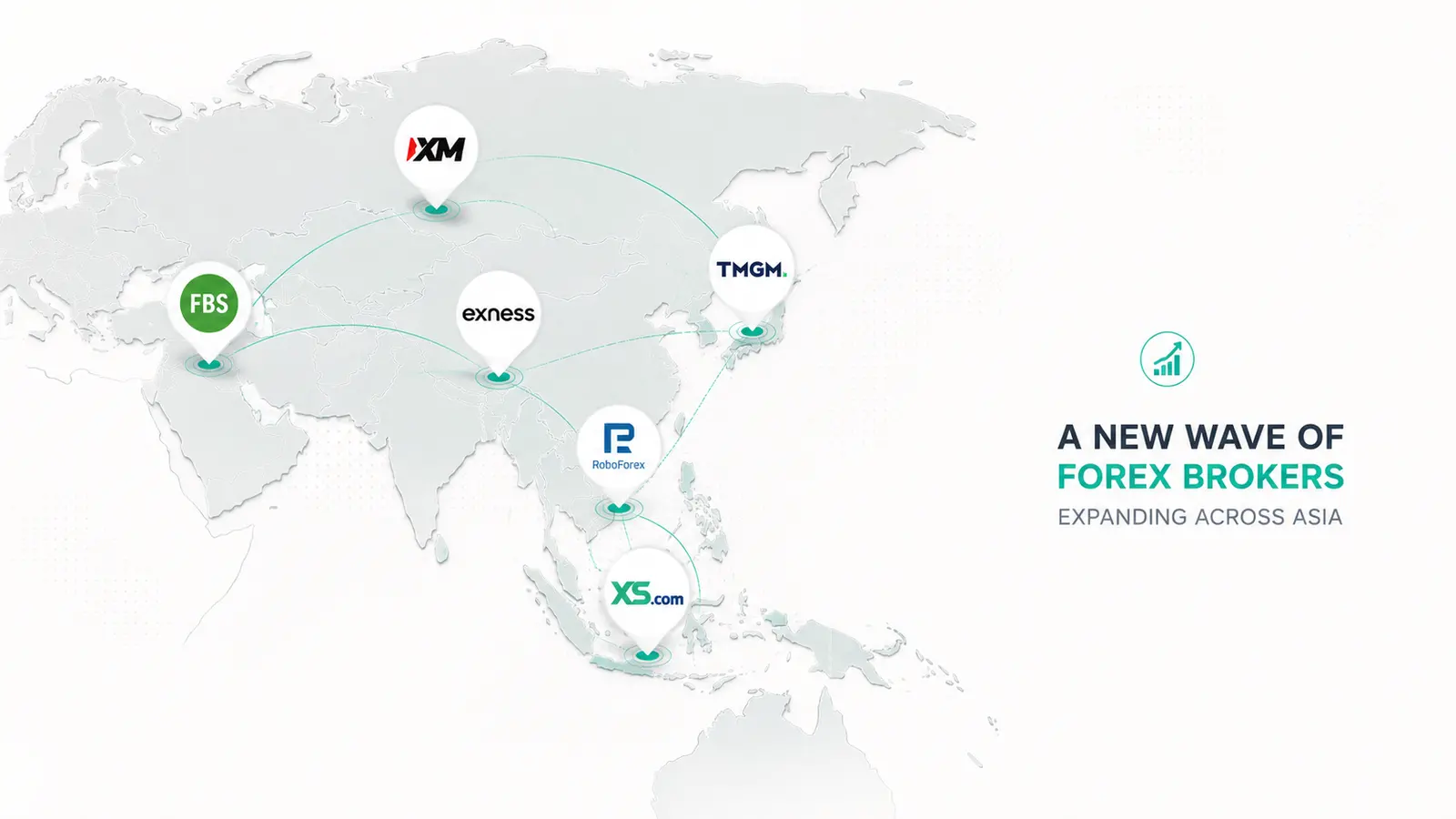
Asian brokers that serve clients investing in US stocks face direct competition from Interactive Brokers and other global platforms. Local brokers can compete through local-language service, easier funding via domestic payment systems and products tailored to regional preferences. But they need to match global platforms on cost and access, or risk losing their most active clients.
Transparency about execution quality also helps local brokers compete.
When clients trade more, an agency broker earns more. When clients win or lose, its revenue does not change much.
Interest income is the hidden engine
A large share of Interactive Brokers' revenue comes not from trading commissions but from interest earned on client cash and margin loans. With interest rates high, client balances generate substantial income. That revenue depends on rates and balances rather than on whether clients win or lose, which adds further stability.
The same is true at many brokers that hold client cash. Trade Republic's offer of 3 percent on current accounts in Greece shows how valuable client deposits have become, and how brokers compete for them. The more cash clients keep on a platform, the more the broker can earn on it, even after passing some interest back.
Rate cuts would reduce that income, which is why brokers watch central bank decisions closely. After the weak September jobs report, markets began pricing a possible Fed pause, which would leave interest income steady for now. A move toward cuts in 2027 would test brokers that rely heavily on it.
How investors are reading the week
Investors already value agency brokers and diversified platforms more highly than pure market makers, because their earnings are steadier. The IG selloff reinforced that preference. Expect listed CFD brokers to talk more about diversification, retention ranges and risk management in coming quarters, as we noted in our analysis of IG's fall.
Diversified platforms that combine trading, investing, banking features and interest income are likely to command the highest valuations. Pure CFD market makers will need to show that retention is stable and well managed, or accept a lower valuation multiple. That pressure will shape strategy across the industry over the next year.
How many accounts does Interactive Brokers have?
Interactive Brokers reported 5.6 million client accounts on 1 October 2026.
What are DARTs?
Daily average revenue trades measure how many revenue-generating trades clients make per day. Interactive Brokers reported 4.1 million, up 6 percent year on year.
Why did IG fall while Interactive Brokers grew?
IG's CFD market-making revenue fell because clients kept more of their trading gains, lowering retention to about 70 percent. Interactive Brokers earns mainly from commissions and interest, so client wins and losses affect it less.
What is the difference between an agency broker and a market maker?
An agency broker routes orders to exchanges and earns fees, while a market maker quotes prices and may take the other side of client trades, earning from spreads and client losses.
The same week produced a growth update from one broker and a 22 percent crash for another. The difference was not market conditions, which were the same for both, but business models. As more brokers diversify away from pure market making, the gap between the two approaches may narrow. For now, it is a clear reminder that how a broker makes money matters as much as how much.
Speak with the SpinDepth desk