The retail forex platform stack is reconfiguring in 2026. cTrader launched paid subscriptions for trading products in its app store, and MetaTrader platform changes have raised the bar for brokers that depend on the dominant software. Together the moves push the market away from a one-platform default toward differentiated software and white-label infrastructure. For brokers, the positioning question is no longer which platform to rent, but how to own a stack that competitors cannot copy. The same professionalisation is visible in the white-label broker surge we analyse, where new entrants are built on shared but branded infrastructure. See our SEC easing crypto rules coverage at SEC easing crypto rules. See our CFTC crypto fraud charges coverage at CFTC crypto fraud charges. See our white-label forex wave coverage at white-label forex wave. Source: DailyForex.
What cTrader just did
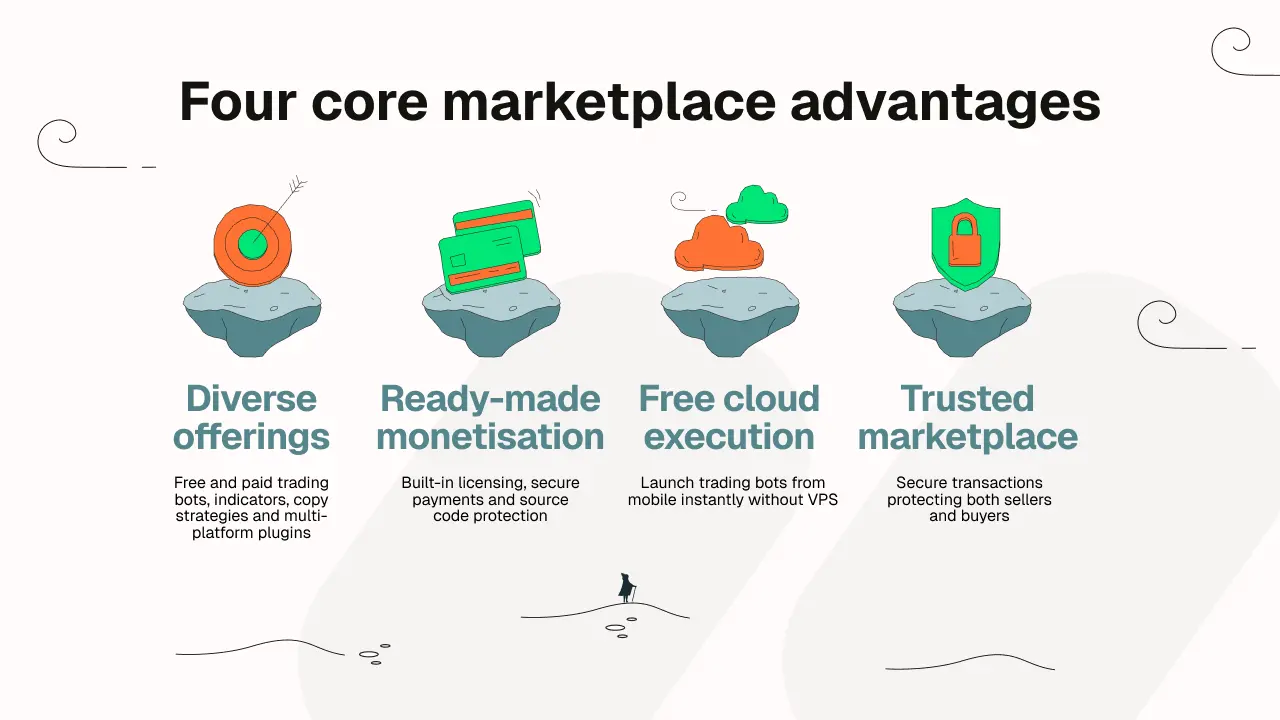
cTrader's store now supports subscriptions for trading products, meaning developers can charge for tools built on the platform rather than giving them away. That turns the store into a real marketplace and gives brokers a reason to differentiate on the ecosystem they offer, not just on spreads. For a vendor that has long trailed MetaTrader in share, a paid developer economy is a way to build a moat through third-party innovation. The move also professionalises the add-on layer that retail traders rely on, from indicators to copy-trading systems, which matters for how platforms are judged in best-broker rankings.
Why MetaTrader changes matter
MetaTrader remains the default for most retail forex, but platform changes in 2026 have forced brokers to reconsider dependence on a single vendor. When the dominant software shifts its rules, every broker that built on it inherits the change, good or bad. That dependency risk is exactly what pushes serious brokers toward white-label or proprietary stacks, where they control the roadmap. The shift is not the death of MetaTrader, but the end of it being the only answer, and that opens room for cTrader, TradingView, and bespoke builds to gain ground. The CFTC fraud case we cover shows why platform trust is now a compliance question as much as a product one.
- cTrader store now supports paid subscriptions for trading products
- MetaTrader platform changes raise the bar for dependent brokers
- Brokers reconsider single-vendor dependence
- Market shifts toward differentiated and white-label stacks
What it means for brokers
For brokers, the strategic read is to stop treating the platform as a commodity. A differentiated stack, whether a curated cTrader ecosystem, a TradingView integration, or a proprietary app, becomes a positioning asset that lowers acquisition cost and raises switching cost. The white-label route lets a new broker launch fast on proven infrastructure while still branding the experience, which is why the entry wave is accelerating. The SEC easing framework we cover in crypto shows a parallel dynamic: clarity and platform maturity together lower the cost of building compliant products.
The platform is no longer a commodity you rent. It is the positioning asset competitors cannot copy.
The bigger picture
The forex platform shift is the infrastructure story behind the retail trading boom. As more entrants launch through white-label and proprietary builds, competition moves from who has the cheapest spreads to who has the best-owned experience, and that is healthier for users even as it pressures incumbents. The maturation mirrors crypto's, where the SEC's rulebook and the CFTC's enforcement together push the market toward serious, compliant operators. Trading infrastructure is converging on the same truth across asset classes: trust, control, and differentiation beat commodity access. The white-label broker wave we analyse is the clearest proof in forex.
What to watch next
Watch broker adoption of cTrader's paid ecosystem and whether MetaTrader responds with its own developer economics. Watch how many new brokers launch on white-label stacks versus proprietary builds, because that ratio shows how fast the market is diversifying. And watch platform trust features, custody, verification, and transparency, since the fraud cases in crypto set the standard users now expect everywhere.
What changed in forex platforms in 2026?
cTrader launched paid subscriptions for trading products in its app store, and MetaTrader made platform changes that raised the bar for dependent brokers, together pushing the market toward differentiated and white-label stacks.
Why does this matter to brokers?
It reduces dependence on a single vendor and turns the platform into a positioning asset. Brokers that own or differentiate their stack lower acquisition cost and raise switching cost, which is now the competitive edge.