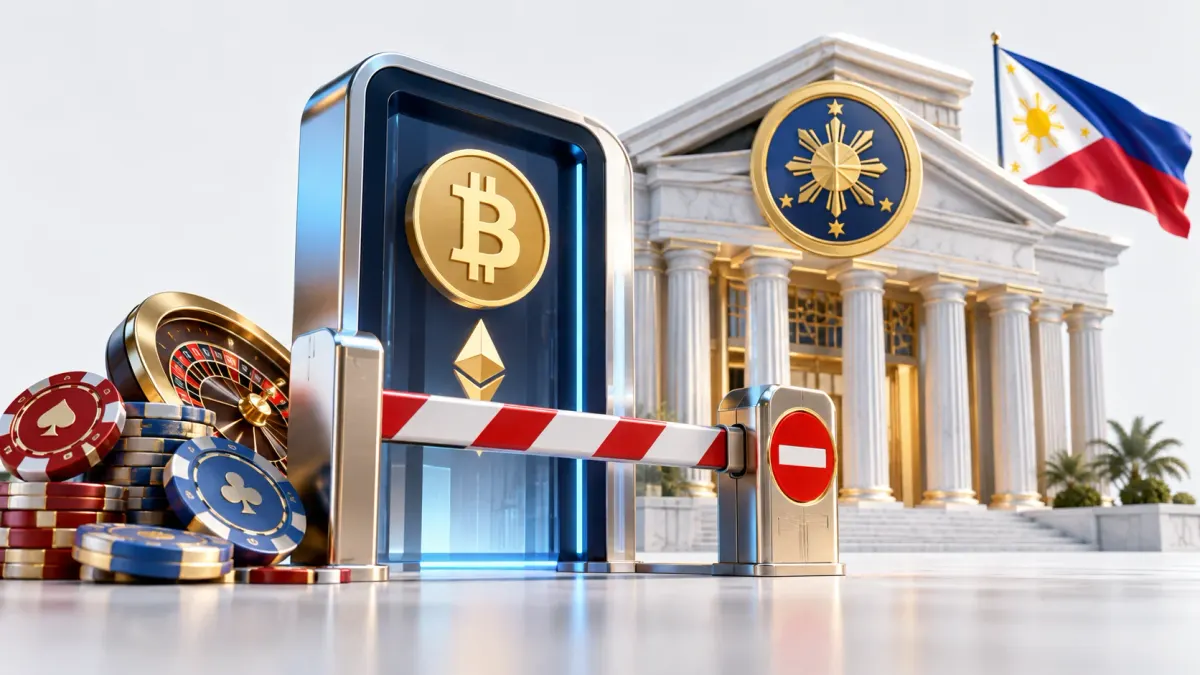
For three weeks, one of the Philippines' best known crypto and e-money apps has been unable to receive pesos from the country's banks. Since late September, incoming transfers to Coins.ph wallets over InstaPay and PESONet have been rejected, leaving users able to move money out but not in, according to BitPinas.
The reason has not been officially explained. Reports based on people familiar with the matter link the restriction to alleged payments connected to offshore gambling operators, and suggest the company's licence could be at risk. Coins.ph firmly denies that it knowingly serves offshore gaming firms, and says it continues to operate as a licensed institution. What is clear is that a major platform is under a cloud, and its users are caught in the middle.
What has actually been restricted
The first step came on 29 September, when the Bangko Sentral ng Pilipinas partially suspended payment network access for DCPay Philippines, the e-money company that handles peso movements for Coins.ph. Since then, incoming transfers over InstaPay and PESONet, the two main rails Filipinos use to move money between banks and wallets, have been rejected, and incoming QR based collections have also been affected.
Users can still get their money out. Outbound transfers to banks and other e-wallets remain permitted, and cash outs, bill payments and crypto trading continue to work. The practical effect is that customers cannot easily top up their wallets with pesos from their bank accounts, which cuts off one of the main ways new money enters the platform.
Reports describe the restriction as carrying no stated end date, unlike the temporary suspensions the central bank typically imposes. That open ended quality is what has fuelled speculation that something more serious may follow, although no formal enforcement finding has been published.
The gambling allegations
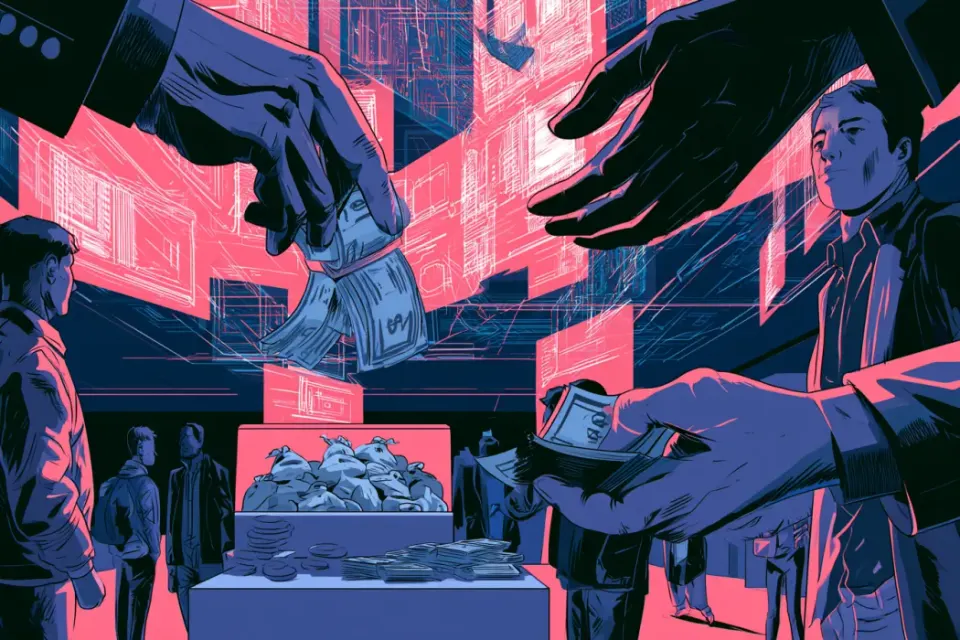
The background to the case goes back to last year, when the central bank ordered supervised financial institutions to remove access to gambling sites from within e-wallet apps. The aim was to curb the explosive growth of online gambling, which had become a major social and political issue in the Philippines. According to reports, some gambling operators later shifted their transactions toward other channels, including Coins.ph.
Those reports, based largely on anonymous sources and first carried by CoinDesk before being picked up by outlets including Blockhead, suggest the alleged violations could put Coins.ph's operating licence at risk. That claim has not been confirmed by the central bank, and it should be treated with caution until regulators speak publicly.
In payments, the moment a regulator closes the front door, the market starts asking what it found behind it.
Coins.ph has pushed back firmly. It denies any claim that it knowingly serves offshore gaming or gambling operators, and has stressed that user funds are safe. It has not directly confirmed or denied whether gambling related transactions passed through its systems, which is the key factual question regulators will be examining.
What Coins.ph says about its licence
The company's message to users has been consistent. It says that users' funds are safe and that it continues to operate as a licensed institution, as reported by Cointelegraph. That statement is accurate as far as the public record goes: no revocation order has been issued.
It is also important to separate the businesses. Reports note that the crypto licence held by the group's crypto arm has not been suspended, and the restriction applies to the e-money unit's access to the payment rails. Customers trading crypto on the platform have so far been able to continue, even as peso top ups from banks have stalled.
For users, the safest approach is to watch for official statements from the central bank and the company, and to avoid making decisions based on social media rumours, screenshots or messages from unknown accounts claiming inside knowledge. If funds are needed urgently, outbound transfers to banks remain available, so customers worried about access can move money out.
Why this matters for Philippine fintech
The Philippines has one of Southeast Asia's most dynamic digital finance markets, built on wallets like GCash and Maya and a growing number of crypto platforms. That growth has come with pressure on regulators to deal with fraud, scams and illegal gambling flowing through digital channels, and this case shows the central bank is willing to use its control over payment rails as a powerful tool.
The broader lessons for fintech operators in the region are worth spelling out:
- Access to national payment rails is a privilege that regulators can restrict quickly and without a public explanation.
- Compliance teams must track where flows go after a sector wide ban, because displaced activity often moves to the next available channel.
- Transparent communication with users protects trust when regulators act, even before the facts are settled.
- Licence risk now includes payment partners and affiliated entities, not just the main operating company.
This is not the first time Philippine regulators have moved against trading platforms. Earlier this year we covered how the Philippine SEC blocked several trading platforms, part of a broader push to bring digital finance under tighter control. The direction of travel is clear, even if the outcome in this case is not.
The three signals that will decide the outcome
Three things will decide how this story ends. The first is whether the central bank issues a formal statement explaining the restriction, which would replace speculation with facts. The second is whether inbound access is restored, either fully or with conditions, which would signal that the issue has been resolved through remediation rather than punishment. The third is whether any formal action, such as a fine or licence decision, is announced.
For the wider industry, the case is a warning about how quickly a regulator can change a company's fortunes. A platform that took years to build trust can see its growth stall within days if regulators restrict access to the rails it depends on, and the reputational damage can outlast the restriction itself.
Until the central bank speaks, the most accurate summary is this: a serious restriction is in place, allegations have been reported but not proven, and the company denies wrongdoing. Users and investors deserve clarity, and the longer the silence lasts, the harder it becomes for any party to rebuild confidence.

Why can I not send money into Coins.ph?
Since 29 September 2026, the central bank has partially suspended payment network access for DCPay Philippines, the e-money unit that handles Coins.ph peso movements. Incoming InstaPay and PESONet transfers into Coins.ph wallets are being rejected.
Can I still withdraw money from Coins.ph?
Yes. Outbound transfers to banks and other e-wallets remain permitted, and cash outs, bill payments and crypto trading continue to work, according to reports and the company.
Is Coins.ph losing its licence?
No revocation order has been issued. Reports based on anonymous sources suggest the licence could be at risk, but the central bank has not published any enforcement finding, and Coins.ph says it continues to operate as a licensed institution.
Why is the central bank acting against Coins.ph?
The central bank has not officially explained the restriction. Reports link it to alleged payments connected to offshore gambling operators, which Coins.ph denies knowingly serving.
Are funds on Coins.ph safe?
Coins.ph says users' funds are safe. Customers who are worried can still move money out through outbound transfers while the situation is resolved.
Does the restriction affect crypto trading?
Reports say the crypto licence held by the group's crypto arm has not been suspended, and crypto trading has continued. The restriction mainly affects incoming peso transfers.
What should users do now?
Watch for official statements from the central bank and Coins.ph, avoid acting on social media rumours, and use outbound transfers if funds are needed urgently.
How does this connect to the online gambling crackdown?
Last year the central bank ordered supervised financial institutions to remove gambling access from within e-wallet apps. Reports say some gambling operators then shifted transactions to other channels, and regulators have been watching where those flows went.
Will inbound transfers into Coins.ph be restored?
No date has been given. The restriction reportedly carries no stated end date, unlike typical temporary suspensions. Restoration would most likely follow either an official resolution with the central bank or remediation steps by the company.
The Coins.ph case is a test of how far the Philippines will go to keep gambling money out of its digital finance system, and how fairly it will treat the platforms caught in that fight. Until regulators explain their action, the story remains one of reported allegations and firm denials. What is already certain is that control of the payment rails has become the regulator's sharpest tool, and every fintech in the region is watching how it is used.
Talk to the SpinDepth deskYou've finished this story
Read on, send it to someone, or ask about it.