Seven core members of the OPEC+ alliance have agreed to raise their oil production targets again, and on the surface that sounds like it should push prices down, not up. But the reality on the ground is the opposite of the headline. With the Strait of Hormuz still closed by the Iran war, the extra barrels these countries are approving cannot actually reach the market. The gap between what OPEC+ says on paper and what is physically flowing is the most important thing to understand about oil right now.
What OPEC+ actually decided
According to the official statement from the Organization of the Petroleum Exporting Countries, seven OPEC+ countries met virtually on June 7, 2026 and decided to implement a production adjustment of 188,000 barrels per day, to be applied in July 2026. The seven countries are Saudi Arabia, Russia, Iraq, Kuwait, Kazakhstan, Algeria, and Oman. This continues the gradual unwinding of the 1.65 million barrels per day of voluntary production cuts the group first announced back in April 2023.
One important clarification. The group is now seven countries, not eight. According to CNBC and Al Jazeera, the United Arab Emirates formally withdrew from OPEC and the wider OPEC+ group on May 1, 2026, after disagreements over its production quotas. The UAE had been an influential member for nearly six decades and was one of the group's largest producers. Its exit is why the monthly increase was trimmed from 206,000 barrels per day in April and May to 188,000 barrels per day from June onward, since the UAE's share was removed from the calculation, as reported by CNBC.
Why a production increase is not lowering prices
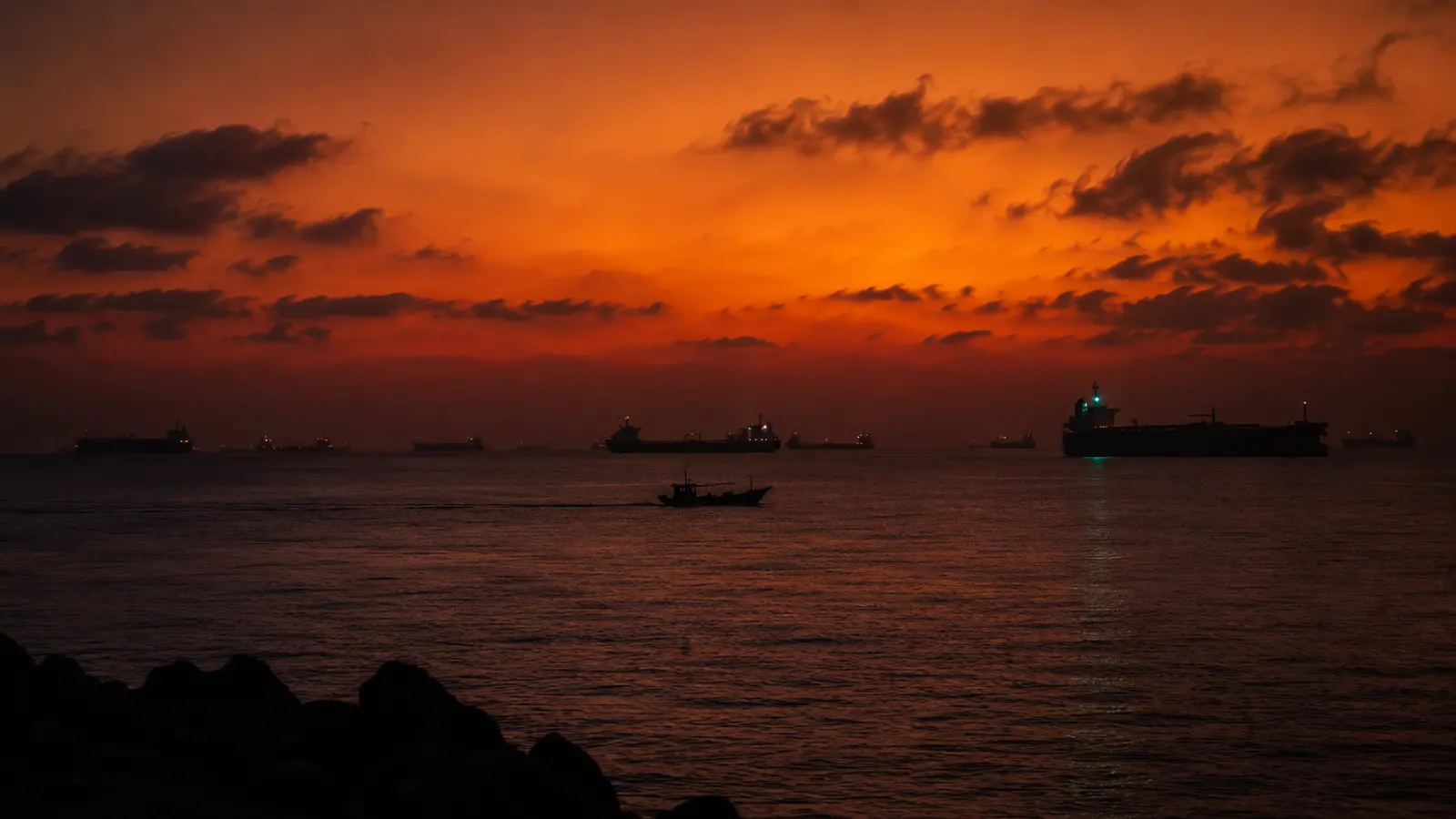
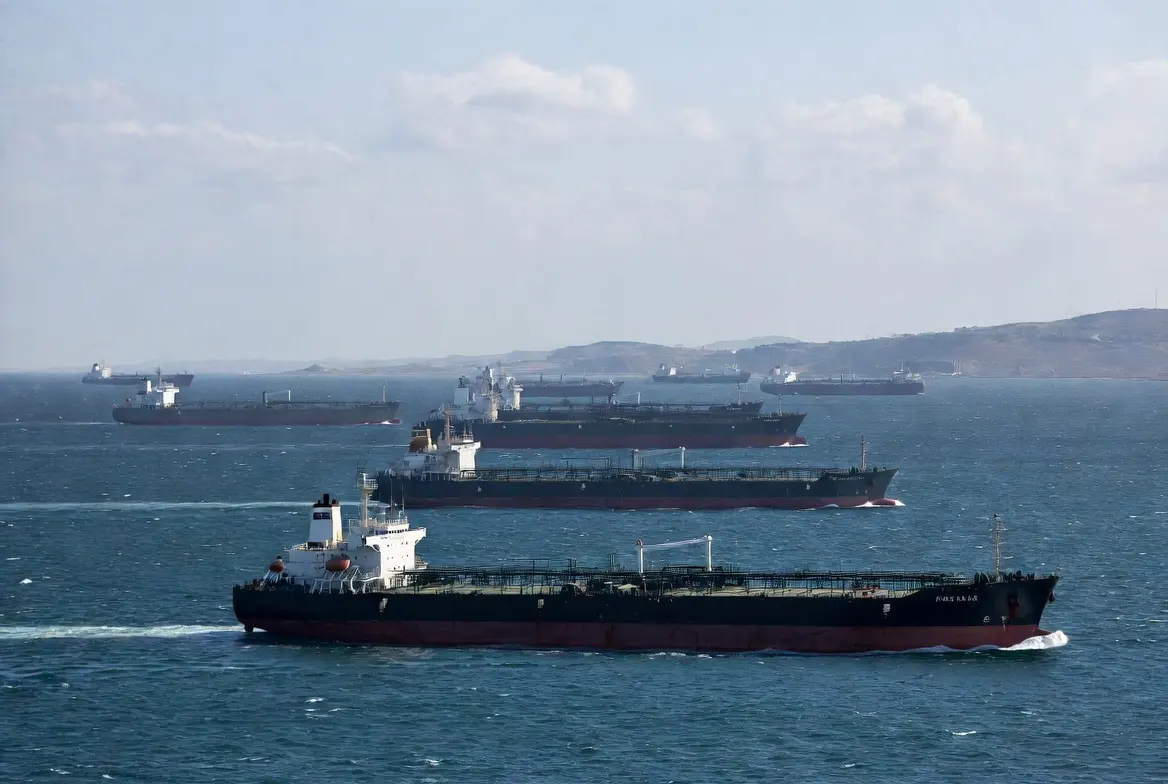
In normal times, when OPEC+ raises output, more oil reaches the market and prices tend to fall. These are not normal times. According to CNBC, oil supply has been choked since the Iran war began on February 28, 2026, because the Strait of Hormuz, a vital shipping route for global oil and gas, has remained effectively closed. Before the conflict, this narrow waterway carried roughly 20 to 21 million barrels of crude per day, about one-fifth of global petroleum consumption, according to analysis published by Discovery Alert.
Three of the seven countries that just agreed to the increase, Saudi Arabia, Iraq, and Kuwait, depend on the Strait of Hormuz as their main export route. Raising their production targets while that waterway is blocked does not put more oil on the market in any real sense. As Rystad analyst and former OPEC official Jorge Leon put it to CNBC, an OPEC+ production increase means very little while the Strait of Hormuz remains closed. The result is that the group's actual production has collapsed even as its targets rise. According to OPEC figures cited by CNBC, output averaged 33.19 million barrels per day in April, down sharply from 42.77 million in February.
So why raise targets at all
If the barrels cannot move, why bother announcing an increase? The answer is that this is a positioning exercise as much as a supply decision. According to Discovery Alert, the July hike is best understood as a quota positioning move rather than a near-term supply expansion. By continuing to unwind the old cuts on paper, the group keeps its schedule on track for when the strait reopens, and it lets members begin claiming higher baseline quotas ahead of a broader review. OPEC noted the measure also gives participating countries an opportunity to accelerate their compensation for past overproduction, according to the official statement.
There is a longer game here too. According to CNBC, in a separate meeting of all OPEC+ members on the same day, the group made no changes to its wider output policy through the end of 2026 and affirmed it is reviewing members' production capacity to set new baselines for 2027. In other words, the paper increases now are partly about where each country stands when the market eventually normalizes.
Raising production targets while the strait is closed is not a supply increase. It is a placeholder for the day the barrels can finally move again.
The risk waiting on the other side
The most consequential part of this story is what happens when the Strait of Hormuz reopens. Because OPEC+ has kept raising its targets throughout the closure, a large volume of approved but undelivered supply is effectively queued up. When shipping through the strait resumes, that supply could hit the market in a compressed window. As Jorge Leon warned CNBC, when the Strait of Hormuz reopens, the market could move very quickly from fear of shortage to fear of surplus. Oil executives and traders have cautioned it could still take several weeks or months for flows to fully normalize even after the waterway reopens, according to Al Jazeera.
This sets up an unusually sharp two-sided risk. For now, prices remain elevated because supply is physically constrained. According to CNBC, Brent crude and US crude were both running well above where they started the year during the conflict. But the moment the physical constraint lifts, the same production increases that mean nothing today could suddenly mean a great deal, potentially driving prices down fast. That asymmetry is what makes this one of the most complex oil markets in recent memory.
What this means for brands and markets in Asia
For energy-importing economies across Southeast Asia, this dynamic matters directly. Elevated oil prices strain the import bills of Thailand, the Philippines, Vietnam, and Indonesia, feeding into inflation and currency pressure. A sudden reversal when the strait reopens would ease that pressure just as quickly. For any brand or business exposed to energy costs, fuel prices, or the currencies tied to them, the key is understanding that the current high prices rest on a physical constraint that could lift at any time, flipping the outlook.
This is exactly the kind of complex, easily misread market moment where clear explanation builds real authority. When headlines say OPEC+ is raising output but prices stay high, audiences are confused, and the brands that explain why, accurately and in local terms, earn lasting trust. This is where SpinDepth helps, giving financial brands the clarity and credibility to guide their audiences through moments exactly like this one.
FAQs
Q1: How many OPEC+ countries agreed to the increase, and how much?
A1: Seven core members, Saudi Arabia, Russia, Iraq, Kuwait, Kazakhstan, Algeria, and Oman, agreed to raise output targets by 188,000 barrels per day for July 2026, according to OPEC and CNBC.
Q2: Why is it seven countries and not eight?
A2: The United Arab Emirates formally left OPEC and OPEC+ on May 1, 2026 after disputes over its quotas, reducing the core decision group from eight to seven, according to CNBC and Al Jazeera.
Q3: If output is rising, why are oil prices not falling?
A3: Because the Strait of Hormuz is closed by the Iran war, so the extra barrels cannot physically reach the market. Actual production has fallen even as targets rise, according to CNBC and Discovery Alert.
Q4: What happens when the Strait of Hormuz reopens?
A4: The queued-up approved supply could reach the market quickly, potentially shifting sentiment from fear of shortage to fear of surplus and pushing prices down, according to a Rystad analyst quoted by CNBC.
For brands entering or operating across Asia, this oil market shows how a single chokepoint can turn a production increase into a non-event, and that is exactly the kind of clarity SpinDepth helps brands deliver.
Source:
Source 1: OPEC, Press release 7 June 2026, https://www.opec.org/pr-detail/1781604-7-june-2026.html
Source 2: CNBC, OPEC+ approves fourth oil output quota hike since Hormuz closure, https://www.cnbc.com/2026/06/07/opec-set-for-fourth-oil-quota-hike-since-strait-of-hormuz-closure.html
Source 3: CNBC, OPEC+ announces 188,000 barrels-per-day output increase in first meeting without UAE, https://www.cnbc.com/2026/05/03/opec-announces-188000-barrels-per-day-output-increase-.html
Source 4: Al Jazeera, OPEC announces symbolic oil output rise during Strait of Hormuz closure, https://www.aljazeera.com/news/2026/5/3/opec-announces-symbolic-oil-output-rise-during-strait-of-hormuz-closure
Source 5: Discovery Alert, OPEC+ July 2026 Target Hike Quotas vs Reality, https://discoveryalert.com.au/opec-july-production-hike-hormuz-oil-supply-2026/