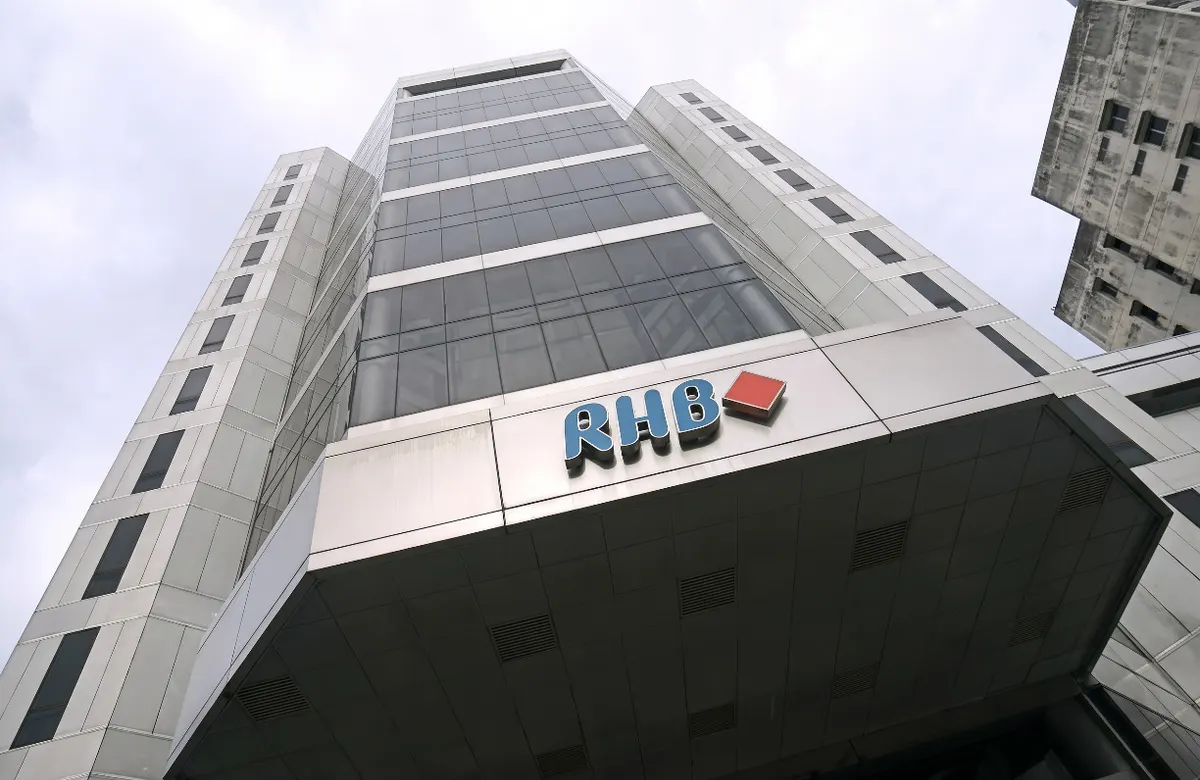
Is RHB selling its insurance business to Tokio Marine? It is trying to, but the deal needs more time. Bank Negara Malaysia has approved an extension for RHB Bank to keep negotiating with Tokio Marine Asia until 11 February 2027, according to a Bursa Malaysia filing reported by The Star. The central bank granted the extension in a letter dated 21 October, five days after RHB applied.
The deal would see RHB dispose of up to 100 percent of RHB Insurance and merge it with Tokio Marine Insurans (Malaysia) into an enlarged general insurer, with RHB keeping up to 35 percent. It would be one of the more significant moves in Malaysia's general insurance market in recent years, and another example of Japanese insurers using Southeast Asia to grow as their home market ages.
What RHB and Tokio Marine are negotiating
The proposal has two parts. First, RHB Bank would sell up to all of its equity interest in RHB Insurance, its general insurance arm. Second, RHB Insurance and Tokio Marine Insurans (Malaysia), the Malaysian general insurance unit of Japan's Tokio Marine group, would be integrated into a single, larger entity.
RHB would not exit insurance entirely. Under the proposal, it would retain an equity interest of up to 35 percent in the combined company, keeping a share of the profits while handing control to a global insurer with deeper underwriting experience. RHB said previously that both parties had made meaningful progress, including ongoing due diligence and negotiations on key commercial terms and transaction documents.
Minority stakes of this kind are a common structure when banks partner with specialist insurers. The bank keeps exposure to a business it helped build and continues to benefit from cross selling to its customers, while the insurer brings capital, underwriting expertise and product development. For regulators, the structure can also support stability by keeping a large local shareholder involved.
Why the deal needs more time
Bank Negara first approved the negotiations on 11 May 2026, giving the parties six months to reach agreement, according to Fintech News Malaysia. That window would have closed in November. RHB applied for an extension on 16 October, and the central bank approved it on 21 October, pushing the deadline to 11 February 2027.
Extensions are common in financial sector mergers, especially when two insurers must combine policies, systems, staff and reinsurance arrangements. Even after negotiations finish, the deal still needs approval from the Minister of Finance, on Bank Negara's recommendation, before definitive agreements can be signed. That multi step process gives regulators a say over who controls significant insurers in Malaysia.
In insurance mergers, the price is often the easy part. Combining two books of policies, two sets of systems and two cultures is where the timeline slips.
The extension does not signal trouble on its own. But it does mean investors waiting for a capital release from RHB will need to be patient, and that terms could still change before signing.
Valuation is another area where talks can take longer than expected. Agreeing the value of each insurer's business, the terms of RHB's continuing stake and the governance arrangements of the combined company requires detailed work, particularly when one partner will hold a minority position and wants protections for its investment.

An existing partnership between RHB and Tokio Marine
The two groups already work together. In August 2025, RHB Banking Group signed 20 year exclusive bancassurance and bancatakaful partnerships with Tokio Marine Life Insurance Malaysia and Takaful Malaysia, as reported by Life Insurance International via Yahoo Finance. Under those deals, RHB exclusively sells their life insurance and takaful products through its branches.
The agreements included a total access fee of up to 1.6 billion ringgit payable to RHB, linked to the expected volume of business over the life of the partnerships. RHB said at the time that the deals were part of its PROGRESS27 strategy to diversify income and grow non interest earnings. The proposed general insurance merger would deepen the relationship from distribution into joint ownership.
Bancassurance has become one of the most important distribution channels for insurance in Malaysia and across Southeast Asia, because banks have large customer bases and frequent contact with them through branches and apps. Long exclusive deals give insurers guaranteed access to those customers, while banks earn upfront fees and ongoing commissions that diversify their income away from lending.
Why Japanese insurers want Southeast Asia
Japan's population is shrinking and ageing, limiting growth in its domestic insurance market. Japanese insurers have looked abroad for growth, and Southeast Asia offers younger populations, rising incomes and relatively low insurance penetration. Malaysia, with a well regulated market and a large middle class, is an attractive base.
Higher interest rates in Japan are also reshaping financial groups there, as we covered in our report on Kansai's planned regional bank merger. For Japanese insurers, overseas acquisitions are a way to diversify earnings beyond a slow growing home market. The key reasons the deal matters include:
- It would create a larger general insurer in Malaysia
- RHB could release capital while keeping a 35 percent share
- Tokio Marine would gain scale and RHB's distribution reach
- It extends an existing 20 year bancassurance partnership
- It reflects Japanese insurers' push into Southeast Asia
Malaysia's general insurance market has also seen regulatory changes in recent years, including the gradual liberalisation of motor and fire insurance pricing, which has encouraged insurers to compete more on risk based pricing and digital distribution. Scale helps in that environment, because larger insurers can invest more in data, claims systems and technology. A merged RHB and Tokio Marine entity would be better placed to make those investments than either business alone.
What it means for policyholders and investors
For RHB Insurance policyholders, a merger would not normally change the terms of existing policies, which remain protected under Malaysian law and regulation. Over time, customers could see changes in products, pricing and service as the combined company integrates.
For RHB shareholders, the deal could free up capital that the bank can redeploy into lending, dividends or digital investments, while retaining exposure to insurance profits through its minority stake. For Malaysia's insurance market, a larger combined player would intensify competition among general insurers. The next milestone is a definitive agreement before the 11 February 2027 deadline.
For the wider industry, the deal would add to a gradual consolidation of Malaysia's crowded general insurance market, where smaller players face rising costs for technology, compliance and claims management. Larger, well capitalised insurers are better placed to compete on price and service, which can benefit customers if competition remains healthy.

Is RHB selling RHB Insurance?
RHB Bank is negotiating to sell up to 100 percent of RHB Insurance and merge it with Tokio Marine Insurans (Malaysia).
What is the new deadline for negotiations?
Bank Negara Malaysia extended the negotiation deadline to 11 February 2027.
When did Bank Negara grant the extension?
The extension was granted in a letter dated 21 October 2026, after RHB applied on 16 October.
How much of the merged entity would RHB keep?
RHB would retain an equity interest of up to 35 percent in the integrated entity.
When were the talks first approved?
Bank Negara first approved the negotiations on 11 May 2026, giving the parties six months.
What approvals are still needed?
The deal requires approval from the Minister of Finance, on Bank Negara's recommendation, before definitive agreements can be signed.
What is Tokio Marine Insurans (Malaysia)?
It is the Malaysian general insurance unit of Japan's Tokio Marine group.
Do RHB and Tokio Marine already work together?
Yes. In August 2025 RHB signed a 20 year exclusive bancassurance partnership with Tokio Marine Life Insurance Malaysia.
How much was the bancassurance access fee?
The deals included a total access fee of up to 1.6 billion ringgit payable to RHB.
Why are Japanese insurers expanding in Southeast Asia?
Japan's ageing population limits domestic growth, while Southeast Asia offers younger populations and low insurance penetration.
Will RHB Insurance policies change?
Existing policies remain protected under Malaysian regulation, though products and service could change after integration.
Why did the talks need more time?
Insurance mergers involve due diligence, integration of policies and systems, and negotiation of detailed commercial terms.
What progress has been made?
RHB said both parties made meaningful progress, including due diligence and negotiations on key commercial terms.
What is RHB's PROGRESS27 strategy?
It is RHB's strategic plan, which includes diversifying income and growing non interest earnings.
What happens next?
The parties aim to finalise negotiations and sign definitive agreements before the 11 February 2027 deadline, subject to approvals.
RHB's planned insurance tie up with Tokio Marine has more runway, not a red light. Bank Negara's extension to February 2027 gives both sides time to settle terms before the Minister of Finance weighs in. If completed, the deal would reshape Malaysia's general insurance market and underline how Japanese insurers are betting on Southeast Asia for growth.
Talk to the SpinDepth deskYou've finished this story
Read on, send it to someone, or ask about it.