 Media & Reputation
 Football
 Culture
 Experiences
 Advertising

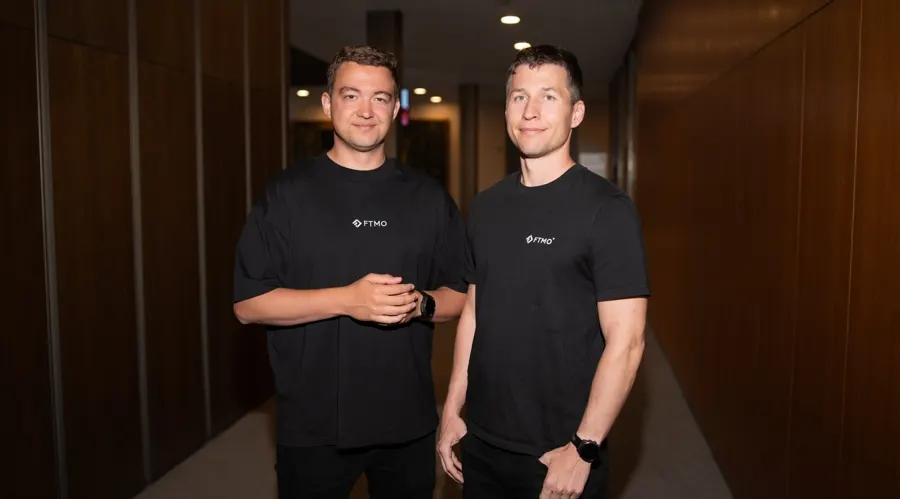
Who is hiring in online trading while everyone else cuts? A prop trading firm. FTMO, the Czech company that sells traders the chance to manage its capital after passing a paid challenge, plans to hire about 300 people over the next 14 months, roughly half of them for OANDA, the broker it bought in December 2025, co founder and chief technology officer Marek Vašíček told CzechCrunch, Finance Magnates reported. About two thirds of the roles are technical.
That is the opposite of what retail brokers are doing. eToro cut about 7 percent of its global staff in January, IronFX about 150 of its roughly 1,500 jobs in March and FP Markets less than 7 percent in April, with AI and automation featuring in at least two of the explanations. The contrast captures a shift in the trading industry: the firms that sell challenges to aspiring traders now own brokers, and the economics behind those challenges are under pressure.
FTMO's bet: more people, not fewer
FTMO paid about 422 million dollars for OANDA, partly with a 250 million dollar bank loan, and the group now employs about 400 people at FTMO and about 600 at OANDA, so the plan would expand its workforce by roughly 30 percent. Candidates for OANDA's teams will also be hired in Prague, and FTMO is looking for AI specialists and product engineers who can take a feature from brief to launch, according to the report.
Vašíček's argument is that AI raises, rather than lowers, the need for people. The more FTMO can do with AI, the more people it needs, he said, adding that AI "won't tell us what to build, and it isn't responsible for it." The firm has automated content, translations and invoicing, and plans four product launches next year while building out futures trading, which it opened to traders in beta in August.
The founders, Vašíček and Otakar Šuffner, have run OANDA as co chief executives since Gavin Bambury stepped down in March, and said they parted ways with several people after the takeover. Vašíček said OANDA does not offer everything it could in many of its markets; its estimated trading volume fell 10 percent quarter on quarter in the third quarter of 2026, according to Finance Magnates' broker volume tracker.
The numbers behind the plan
FTMO's 2025 results show why it wants growth. Revenue rose 31 percent to about 420 million dollars, but net income fell 59 percent to about 37.5 million, the founders told Finance Magnates in October, and Šuffner did not rule out a stock market listing, although Vašíček said the idea has no concrete outline yet.
The industry around it is cutting. In an Acuiti survey for the second quarter of 2026, 44 percent of institutional proprietary trading firms said AI was slowing their hiring and 15 percent had cut headcount because of it. Among retail brokers, eToro said it was using process automation and AI to operate more efficiently when it cut staff, and sources cited efficiency amid the AI wave at IronFX.
Brokers are using AI to cut staff. FTMO says AI means it needs more people. One of them is wrong about where the industry is heading.
The squeeze on prop trading's margins
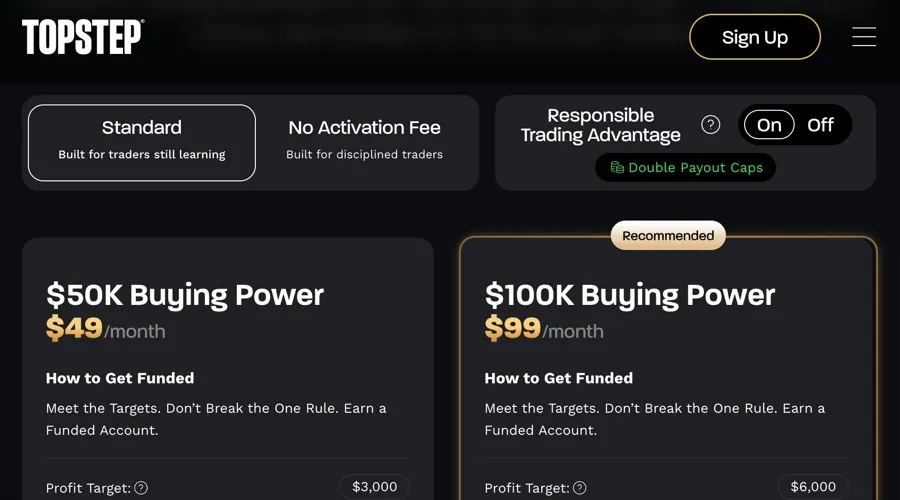
Behind the hiring headlines, parts of prop trading are under strain. Futures prop firms have cut the price of a challenge while their costs held steady, and net margins have fallen from about 25 to 30 percent to 10 to 15 percent, according to Manuel Sonnleithner, co founder and chief executive of TradersYard, citing internal industry data, Finance Magnates reported. Platform fees charged per user per month and exchange market data fees make cheap challenges hard to sustain.
Payouts are the other pressure. One industry executive put payout ratios for CFD prop firms at 40 to 50 percent and futures at 70 to 80 percent, with futures firms relying on much higher volume. Several futures prop firms closed or cut products in 2026, including FundingTicks, the futures arm of FundingPips, which began winding down in January, and others that lost access to major trading platforms. Firms have responded with lower payout caps and tighter rules.
The comparison between the two business models:
- brokers earn from spreads, commissions and financing on clients' trades
- prop firms earn mainly from challenge fees, and pay out to traders who pass
- brokers are licensed by financial regulators in most major markets
- prop firms selling evaluations are often not licensed by financial regulators
- owning a broker, as FTMO now does, gives a prop firm licensed infrastructure
Platform access has become a fault line. Alpha Futures closed its Premium Plan in July after NinjaTrader ended their partnership, refunding accounts, and The Funded Trader's founder shut futures firm Rev One in August because it lacked a top platform option. FundedSeat followed in late September after two years, citing limitations from big trading platforms, even though it had been paying traders nearly 700,000 dollars a month.
What it means for traders in Asia
For traders in Southeast Asia, the FTMO deal shows the two worlds merging. OANDA Asia Pacific is licensed in Singapore as a Capital Markets Services licensee, according to the MAS register, so its new owner's plans for the broker matter to its Asian clients as well as its European ones.
The practical lessons are the ones regulators repeat: check whether the firm you deposit money with is licensed where you live, understand that a prop challenge fee is spent whether or not you pass, and treat a firm's payout record as more important than its marketing. We compared the licences of the region's most marketed forex brokers in our report on which brokers are licensed in Singapore and flagged in Malaysia.
How many people is FTMO hiring?
About 300 over the next 14 months, roughly half for OANDA, according to co founder Marek Vašíček.
When did FTMO buy OANDA?
In December 2025, for about 422 million dollars, partly funded by a 250 million dollar bank loan.
How many staff do FTMO and OANDA have?
About 400 at FTMO and about 600 at OANDA.
Who runs OANDA?
FTMO co founders Marek Vašíček and Otakar Šuffner, as co chief executives since March 2026.
How much did FTMO earn in 2025?
Revenue of about 420 million dollars, up 31 percent, and net income of about 37.5 million, down 59 percent.
Will FTMO list on the stock market?
Its founders have not ruled it out, but Vašíček said the idea has no concrete outline yet.
Which brokers cut jobs in 2026?
eToro cut about 7 percent of staff in January, IronFX about 150 jobs in March and FP Markets less than 7 percent in April.
Is AI causing job cuts in trading?
In an Acuiti survey, 44 percent of institutional prop trading firms said AI was slowing hiring and 15 percent had cut staff because of it.
What is a prop trading firm?
A firm that lets traders trade its capital, usually after passing a paid evaluation, and shares profits with those who succeed.
Are futures prop firms profitable?
Margins have fallen to about 10 to 15 percent from 25 to 30 percent, according to one industry executive, as challenge prices fell.
Did any prop firms close in 2026?
Yes. FundingTicks, the futures arm of FundingPips, began winding down in January, and several others closed or cut products.
Is OANDA licensed in Singapore?
Yes. OANDA Asia Pacific Pte. Ltd. is listed by MAS as a Capital Markets Services licensee.
What is the difference between a broker and a prop firm?
Brokers execute clients' trades and earn from spreads and fees; prop firms mostly earn from evaluation fees and pay traders who pass.
Did OANDA's trading volume fall?
Its estimated volume fell 10 percent quarter on quarter in the third quarter of 2026, according to Finance Magnates' tracker.
Why are futures prop firms closing?
Lower challenge prices, high platform and data costs, high payout ratios and loss of access to major trading platforms, according to industry executives cited by Finance Magnates.
FTMO's hiring plan is a bet that the line between prop firms and brokers is disappearing, and that the winners will be the firms that own both. Its rivals among brokers are trimming staff and leaning on AI, while parts of the prop industry are struggling with thin margins and closures. For traders, the merger of the two models makes one question more important than ever: who holds your money, and which regulator stands behind them.
Talk to the SpinDepth deskYou've finished this story
Read on, send it to someone, or ask about it.