Forex Expo Dubai closed on Wednesday 23 September after two days at the Dubai World Trade Centre, with visible activity across more than 250 exhibitor stands and the usual level of sponsor announcements from the tiers that pay for the visibility. The predictable coverage will focus on the sponsor stands, the booth sizes and the specific awards handed out on Wednesday afternoon. The commercial reality of the event sits somewhere else, in the introducing broker conversations that happened alongside the exhibition, and that is what firms should actually be unpacking now that the two days are behind us.
The IB economy is the segment the expo really serves
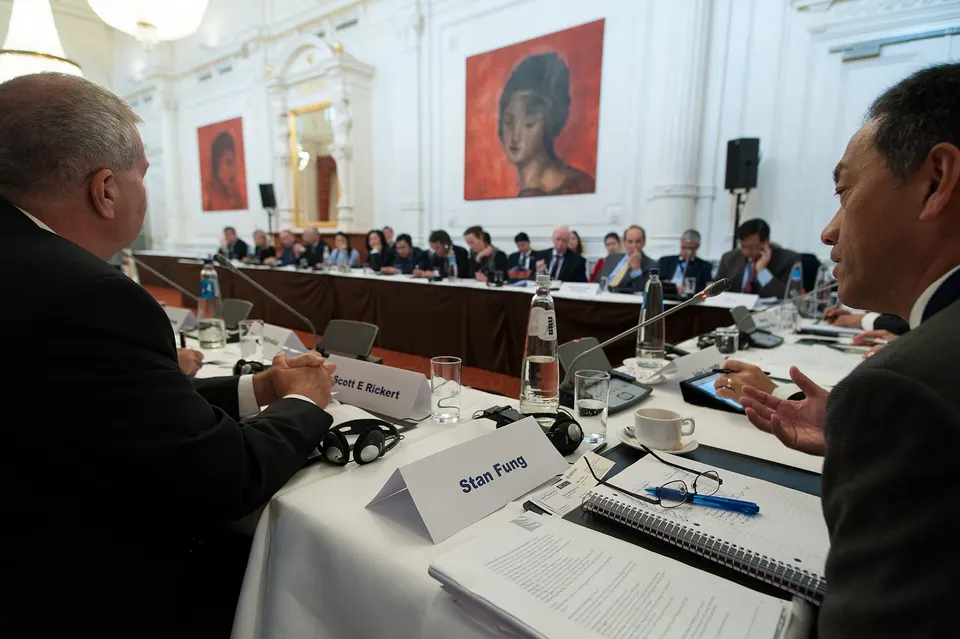
For most of the participating brokers at Dubai this week, the specific pipeline value that justifies the expo budget comes from partner conversations rather than from retail leads. The introducing broker networks that concentrate on this event are a specific commercial infrastructure that most industry coverage under-describes. IBs, affiliate networks, regional distribution partners and money managers are the intermediaries who bring meaningful client volume to brokers, and the annual expo is one of the two or three moments in the calendar where these relationships get maintained face-to-face at scale.
The economics of this segment are worth being explicit about. A serious IB brings a broker between 50 and 500 accounts a year, depending on the size and quality of the IB's own network, and the lifetime value per account through an IB channel typically exceeds the lifetime value through direct paid acquisition. Brokers who understand this build compensation structures, marketing support and partnership terms that reward the IB relationship over multi-year horizons rather than treating each new sign-up as a discrete event.
The specific commercial output from a well-executed expo week is not a lead list. It is a set of updated partnership terms with existing IBs, a small number of new IB relationships that will produce meaningful volume within six months, and a set of pipeline conversations with prospective partners that will convert over the following two quarters. Firms that measure their expo outcome against those categories rather than against lead counts produce honest post-event assessments. Firms that measure against lead counts produce optimistic assessments that do not survive contact with the actual six-month revenue impact.
What separates a productive IB conversation from a routine one
The IBs who commit meaningful volume to a broker are the ones whose economic case for the partnership has been made clearly and repeatedly. That case is not primarily about the compensation rate, though the rate matters. It is about the reliability of the broker's operations, the specific support the broker provides to the IB's own client acquisition efforts, and the degree to which the broker's marketing and product roadmap aligns with the IB's own strategic direction. IBs who understand the difference pick brokers on the whole package. IBs who do not understand the difference pick brokers on rate alone, and their pipelines rarely survive changes in the market conditions.
The specific conversations that produce durable partnerships at events like Dubai include specific commitments about product roadmap alignment, joint marketing programmes, dedicated account management for the IB, and clear escalation paths for any operational issues the IB or the IB's clients encounter. Brokers who can commit to those specifics in-person during a meeting rather than deferring to headquarters for approval close partnerships that the deferring competitors do not. Sending decision-authorised senior people to expos is not an expense, it is the specific investment that separates productive expos from routine ones.
The follow-up discipline in the 48 hours after the event closes is where a meaningful share of the commercial value from the week is either captured or lost. The IB partners who had substantive conversations during the expo have specific expectations about what happens next, and brokers who deliver against those expectations quickly are the brokers who close the partnerships. Brokers who send generic follow-up emails and then take a week to schedule the next call lose the momentum they built during the expo, and the momentum is expensive to recover.
- IB channel LTV per account typically exceeds direct paid acquisition LTV
- Post-event measurement should focus on partnership outcomes rather than lead counts
- Durable partnerships depend on roadmap alignment, joint marketing, dedicated account management
- Decision-authorised senior attendance closes partnerships that deferred authority does not
- 48-hour follow-up discipline is where meaningful commercial value is captured or lost
The specific IB market segments visible at Dubai this year
The composition of the IB and partner community at Dubai this year reflected the broader trajectory of the retail brokerage segment. The MENA region continues to produce specific IB networks with strong local brand recognition and durable regional client bases. The South Asian networks, particularly those anchored in India, Pakistan and the Gulf's expatriate communities, continue to grow their share of the introducing broker infrastructure. The Southeast Asian networks are represented but the depth of participation from that region remains lower than the underlying commercial opportunity would suggest.
The specific segment that under-participates at Dubai is worth naming because it represents an under-served opportunity: introducing brokers whose primary client base is in Vietnam, Thailand or Indonesia often travel to Dubai for the general market exposure but do not conduct the specific partnership negotiations they would at an event closer to their home markets. Brokers building for those Southeast Asian client bases should complement their Dubai participation with the regional events that these specific IBs actually attend for commercial purposes, rather than treating Dubai as a proxy for the whole IB conversation.
For brokers who are considering whether their expo calendar is calibrated to the IB segments they actually need, the specific exercise worth doing this week is to map the top twenty IB partners the firm currently has or wants against the events those partners actually attend. That map often reveals gaps that would not be visible from a general reading of the industry event calendar. Firms that build their expo calendar from that map rather than from the general calendar produce meaningfully better returns on their event budget across a full year.
IBs bring accounts whose lifetime value typically exceeds direct paid acquisition LTV. Brokers who understand this build for the relationship over multi-year horizons.
The post-event work that separates good outcomes from great ones
The specific work worth doing in the two weeks after the event closes goes beyond the immediate follow-up. It includes a structured internal review of what the firm learned about competitor positioning from being on the floor, what the partner segment's language, priorities and concerns were, and what the specific product or operational adjustments would make the firm materially more competitive in the IB conversation next year. That kind of structured post-event learning is where the compounding value from expo participation lives, and it is the work most firms skip on the assumption that the event itself was the deliverable.
The firms that maintain a rolling post-event log across multiple years accumulate market intelligence that pure competitive research cannot produce, because a lot of the useful information at expos is conveyed in casual conversation that never appears in press releases. That log is a genuine competitive asset over time, and firms that treat expo participation as a series of connected learning opportunities rather than as discrete marketing events produce measurably better strategic positioning across the coming years.
When did Forex Expo Dubai close?
The event closed on Wednesday 23 September 2026 after two days at the Dubai World Trade Centre.
Where does the commercial value of the event actually sit?
In the introducing broker and partnership conversations happening alongside the exhibition, rather than in the visible sponsor stands or the retail leads captured on the floor.
How should brokers measure their expo outcome?
Against partnership terms updated with existing IBs, new IB relationships that will produce volume within six months, and pipeline conversations converting over the following two quarters. Lead counts alone produce optimistic post-event assessments.
What follow-up discipline matters?
Specific delivery against partner expectations within the 48 hours after the event closes, followed by structured internal review of learning and competitor positioning over the following two weeks.
Expo closing weeks produce the same set of coverage every year: sponsor announcements, award winners, floor attendance estimates, and forward-looking commentary about the next event. The actual commercial value of the event is more diffuse and more difficult to measure, and it accumulates in the specific partnership conversations and the follow-up discipline that turns those conversations into signed IB relationships. Firms that build for the actual value rather than the visible activity produce expo outcomes that justify the budget. Firms that build for the visible activity keep paying the budget without producing the outcome, and the pattern is consistent enough that boards should ask the specific question of their marketing functions when the next expo budget comes up for approval.
For firms benchmarking their own post-event assessment against the Dubai floor plan strategy we described going into the week, the specific comparison of what the firm expected versus what actually happened is the most useful diagnostic available. Reference material on regional broker distribution from the European Securities and Markets Authority publications offers complementary context on how similar patterns have played out in other markets, and firms combining both perspectives produce sharper strategic conclusions than firms working from either source alone.
Speak with the SpinDepth desk