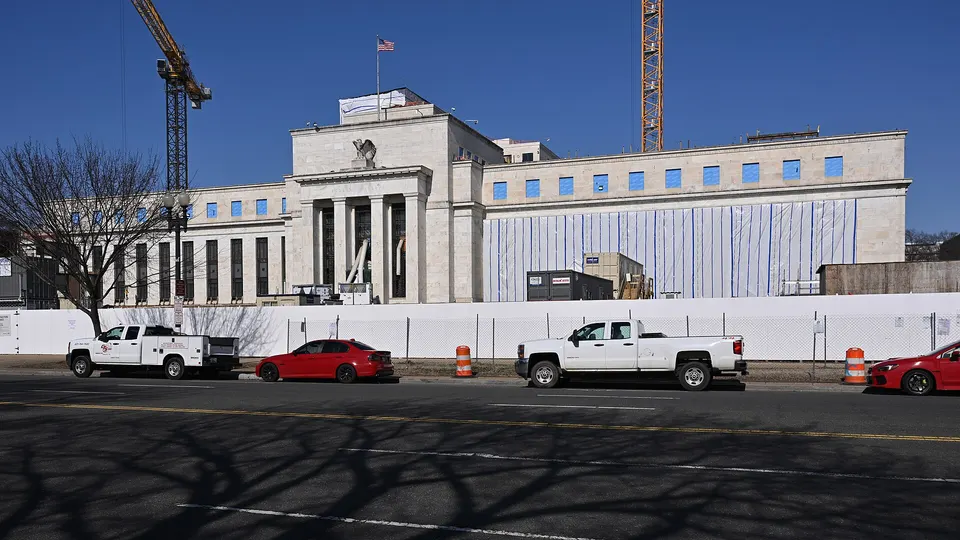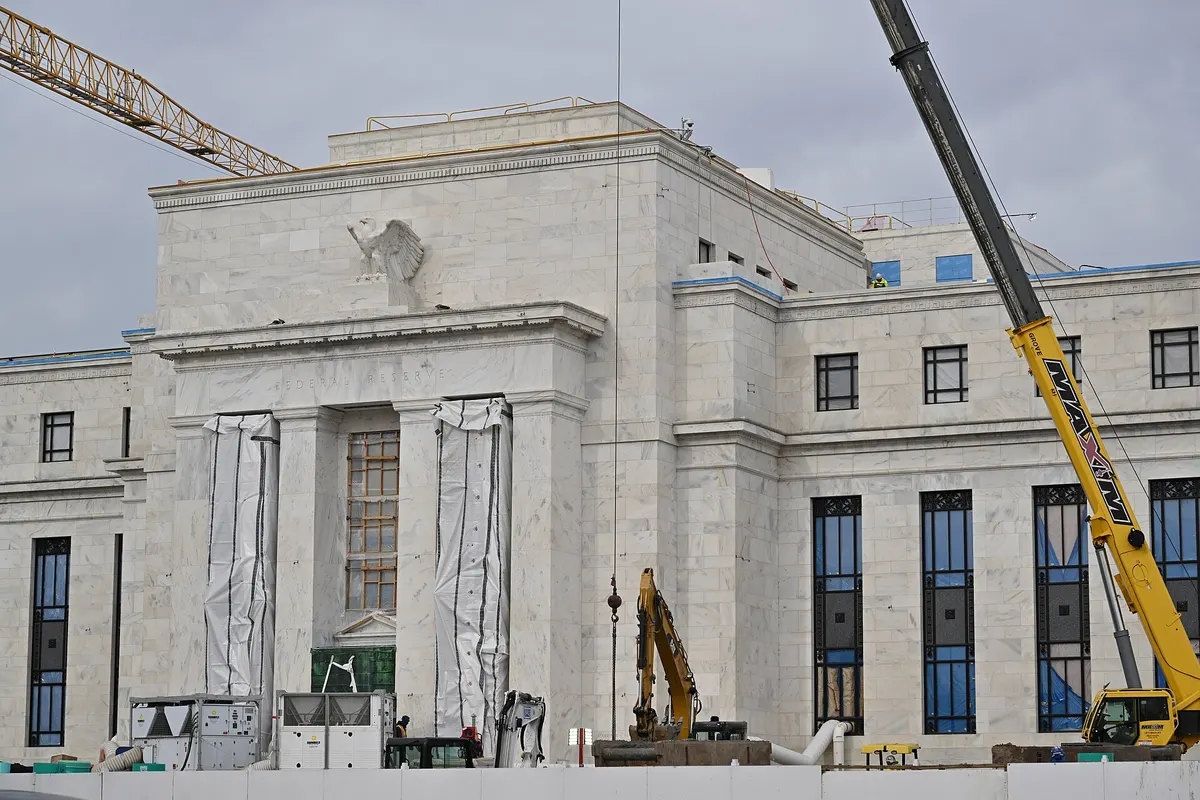
Today, Wednesday 7 October, the Federal Reserve publishes the minutes of its 15 to 16 September meeting. The Fed releases minutes three weeks after each decision, according to its meeting calendar, and this set covers the meeting where officials voted 12 to 0 to raise rates by 25 basis points to 3.75 to 4 percent, the first increase since 2023. Normally, minutes are a footnote. This time they arrive five days after a payroll report showing just 29,000 new jobs in September, against forecasts near 90,000. That timing turns a routine document into the most important Fed communication before the 28 October decision.
Why the minutes matter more than usual
The September statement and press conference told markets what the Fed decided. The minutes tell markets how officials argued about it. A unanimous vote can hide real disagreement, because members who have doubts often vote with the majority and record their concerns in the discussion instead. If the minutes show that several officials saw the hike as a one-off insurance move, markets will price a pause far more aggressively.
The opposite is also possible. If the minutes show broad agreement that inflation risks justify several more increases, traders will have to weigh that hawkish intent against the weak jobs data. That is exactly the tension that drives volatility. Markets do not mind bad news as much as they mind uncertainty about how the central bank will respond to it.
Remember that the minutes are a record of a meeting held before the payroll report. Officials did not know hiring would slow so sharply. So the minutes cannot tell us how the Fed views the new data. What they can tell us is how firmly members were committed to further hikes, and therefore how much it would take to change their minds.
Investors will also compare the minutes with what individual officials have said in speeches since the meeting. If speeches have sounded more cautious than the minutes, markets may conclude that views have already shifted after the weak jobs data.
The words traders will search for
Experienced Fed watchers read minutes for specific phrases. The key word today is likely to be some version of many, several or a few. When the minutes say many participants judged further increases likely, that signals a strong majority. When they say a few, it signals a minority view. The difference between those words has moved markets by large amounts in past cycles.
Traders will also look at how officials described the labour market. If the minutes record concern that hiring was already cooling, the September payroll miss will look like confirmation of a risk the committee had flagged, which supports the pause case. If officials described the labour market as resilient, the miss will look like a surprise that may be dismissed until more data arrives.
The third area is energy. The September hike was justified largely by inflation linked to rising energy prices. Any discussion of how officials expect energy to evolve, and whether they see it as temporary, will shape expectations for October. If members described energy inflation as likely to fade, the bar for another hike rises.
- How many officials saw further hikes as likely: many, several or a few
- How officials described the labour market before the payroll miss
- Whether energy inflation was seen as persistent or temporary
- Any discussion of a pause or of data that would justify one
- Views on the balance between inflation and growth risks
How the dollar, gold and Bitcoin could react
A dovish reading, showing division and openness to a pause, would add to the pressure on the dollar that began with the payroll report. In that case, currencies under pressure all quarter, including the yen and several Asian currencies, could extend their recovery. Gold, trading well below its 2026 peak, would get further support from lower expected yields.
A hawkish reading, showing a united committee committed to more hikes, would likely reverse part of last Friday's moves. The dollar could rebound and gold could give back gains. Bitcoin, which just posted its best quarter since late 2024 on heavy ETF buying, tends to respond to the same shift in rate expectations but with much larger swings in both directions.
The immediate reaction is often not the final one. Markets sometimes move sharply in the first minutes after the release, then reverse as analysts read the full text. Traders using high leverage should be especially careful in the first hour, when liquidity can thin and spreads can widen.

What it means for Asian markets
The minutes are released at 2pm in Washington, which is 1am Thursday in Bangkok and 2am in Singapore and Manila. For Asian traders, that means the market reaction happens overnight, and the Asian session on Thursday opens with prices that already reflect it. Positions held through the release carry gap risk, which traders in the region should plan for before going to bed.
The Reserve Bank of India also meets on 7 October, a reminder that Asian central banks are setting policy around a moving US target. With the Reserve Bank of Australia having hiked to 4.60 percent on 29 September, and the Fed possibly closer to pausing, the region faces a more varied set of policy paths than at any point this year. We covered how that divergence plays out in currencies in our analysis of the RBA's hike.
For Southeast Asian currencies such as the baht, peso and rupiah, a dovish set of minutes would extend the relief from a softer dollar. A hawkish set would bring back the pressure. Either way, the minutes will set the tone for the region's trading through the rest of October.
Japan's yen will be especially sensitive, given heavy positioning in the pair.
Markets do not mind bad news as much as they mind uncertainty about how the central bank will respond to it.
What a pause would and would not mean
It is worth being clear about what a pause would signal. A central bank that stops raising rates has not started cutting. In past cycles the Fed has often held rates at a peak for months, watching inflation and employment before deciding its next move. Markets sometimes jump straight from pause to rate cuts in their pricing, then have to unwind those bets when officials push back.
That matters for the dollar. A pause removes one source of support, but if US rates stay higher than those in Europe and Japan, the dollar can remain relatively firm. The biggest currency moves usually come when markets expect cuts, not merely an end to hikes. Traders should be careful not to treat a dovish set of minutes as a signal that easing is imminent.
The Federal Reserve's September statement gave little sign that officials were thinking about cuts. The minutes may show more nuance, but any hint of easing would be a surprise. The most realistic dovish outcome is a committee open to waiting, not one preparing to reverse.
How brokers can use the release
Minutes days are among the best opportunities for brokers to show clients real value. A short preview, published before the release, explaining what to look for and why, followed by a quick summary after, is exactly the kind of content clients remember. Done in local languages, at hours that suit Asian time zones, it sets a broker apart from competitors that simply repost headlines.
Risk communication matters just as much. Reminding clients about gap risk overnight, the possibility of wider spreads around the release and the danger of high leverage around major events reduces complaints and protects relationships. Clients who feel warned rather than surprised are far more likely to stay.
When are the September 2026 FOMC minutes released?
The minutes of the 15 to 16 September 2026 meeting are due on Wednesday 7 October 2026, three weeks after the decision, at 2pm Washington time.
What did the Fed decide in September 2026?
The Fed raised its target range by 25 basis points to 3.75 to 4 percent in a unanimous 12-0 vote, its first hike since 2023.
Why do the minutes matter after the jobs report?
September payrolls rose only 29,000. The minutes show how committed officials were to further hikes, which indicates how much weak data would be needed to make them pause.
What time are the Fed minutes in Bangkok?
A 2pm Washington release corresponds to 1am Thursday in Bangkok and 2am in Singapore and Manila.
Most weeks, Fed minutes confirm what markets already know. This week they may reveal whether the September hike was the start of a cycle or a single warning shot. With hiring nearly stalled, that distinction is worth a great deal to anyone trading the dollar, gold, Bitcoin or Asian currencies. Read the words carefully, watch the reaction overnight, and be wary of the first move.
Speak with the SpinDepth desk