

Chime is exploring stablecoins inside its app, and that is the moment neobanks go crypto-native
Chime, one of the largest US neobanks, is exploring a stablecoin feature for its app, a sign that mainstream fintech is moving from crypto-curious to crypto-native after the GENIUS Act.
Chime, one of the largest US neobanks, is exploring a stablecoin feature for its app, according to a Bloomberg report from 13 August 2026. If it ships, it would put a dollar token directly inside a mainstream consumer banking app used by millions, not as a side experiment but as a product surface. For a company that built its brand on fee-free banking for everyday Americans, adding a stablecoin is the clearest signal yet that US fintech is moving from crypto-curious to crypto-native. The macro setup for this move is the rebound in digital-asset sentiment, which we track in our piece on Bitcoin's pullback from the 65,000 level.
What Chime is reportedly exploring
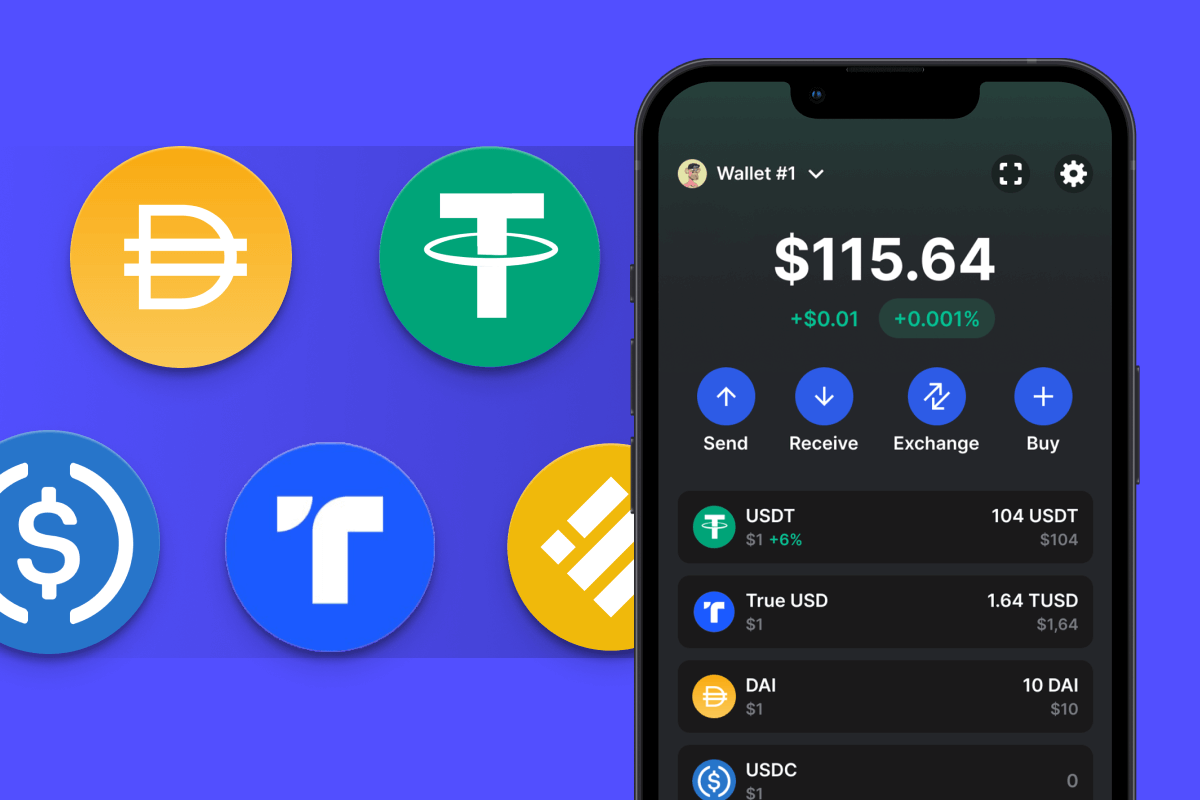
The report describes Chime weighing a stablecoin feature rather than launching one tomorrow. The likely shape is a way for users to hold, send, or earn on a dollar-pegged token inside the existing app, using the rails that stablecoins make cheap. Chime has the one asset stablecoins need most: distribution. A neobank with tens of millions of accounts can put a token in front of users who will never open a crypto exchange. That is the difference between a stablecoin that sits on a trading venue and one that lives in a daily-use banking app. The wider fintech funding rebound, covered in our fintech funding rebound article, shows the capital is returning to back exactly these product bets.
Why now, and why the GENIUS Act matters
The timing tracks US regulation. The GENIUS Act gave stablecoin issuance a federal framework, removing the legal ambiguity that kept large consumer fintechs away from the asset. With a clear rulebook, a listed neobank like Chime can explore a token feature without betting the company on regulatory drift. Chime's 2024 IPO gave it the public-company scrutiny and the balance sheet to do this carefully. The law is the unlock, and Chime is the kind of scaled, compliance-minded player the framework was built to invite in. The dollar's role in all of this is the subject of our FX reset piece, because a US stablecoin push is also a dollar-distribution story.
- Chime is exploring, not yet launching, a stablecoin feature
- The likely use is holding, sending, or earning on a dollar token in-app
- The GENIUS Act removed the regulatory ambiguity
- Chime's scale is the distribution asset stablecoins lack
How this compares with SoFi
Chime is not the first US bank-adjacent player to touch stablecoins. SoFi issued SoFiUSD earlier in 2026 as the first stablecoin from a US national bank. The difference is distribution and intent: SoFi built a token, Chime would wrap a token around an app millions already open daily. Chime's move is less about issuing and more about embedding, which is the harder and more valuable step. If a neobank can make a stablecoin feel like a normal banking feature, the asset stops being crypto and starts being infrastructure, the exact outcome the GENIUS Act was designed to enable.
A stablecoin inside a daily banking app is no longer crypto. It is infrastructure wearing a friendly interface.
What it means for operators
For other fintechs, Chime's exploration is a roadmap. Pair an existing user base with a compliant token feature, and you get a new balance-sheet and payments surface without building a blockchain from scratch. The risk is execution: a stablecoin feature that confuses users or hides fees will backfire, and a neobank's trust is its only real asset. The opportunity is that the distribution winner in stablecoins may not be a crypto company at all, but a consumer app everyone already has installed. The same logic is reshaping payments funding, as our fintech funding rebound article notes, where capital is flowing back to infrastructure plays.
The bigger picture
Chime going stablecoin is a milestone for US fintech, not because the technology is new, but because the distribution is. Stablecoins have spent years living on exchanges and in crypto-native wallets. Dropping one into a mainstream neobank app moves the asset into the everyday financial life of ordinary users, exactly where the GENIUS Act hoped it would land. If Chime proves the model, every scaled fintech with a balance sheet will explore the same, and the stablecoin stops being a trading instrument and becomes a default payments layer. The Bitcoin pullback from 65,000 shows crypto sentiment is volatile, but stablecoins are the calm, payments-facing side of the same wave, and Chime is betting users want that side most.
What to watch next
Watch for an official Chime statement or a pilot, the exact feature scope, and whether it uses an existing issued token or a Chime-branded one. The detail that matters is user experience: if the stablecoin is buried, it is a press line; if it is a visible, usable feature, it is a category shift. The GENIUS Act compliance posture will tell you how serious the rollout is.
Is Chime launching a stablecoin?
Not yet. A Bloomberg report from 13 August 2026 says Chime is exploring a stablecoin feature for its app. Exploration is not a launch, and the exact scope is still undecided.
Why does the GENIUS Act matter here?
The GENIUS Act created a federal framework for stablecoin issuance in the US, removing the regulatory ambiguity that kept large consumer fintechs away from the asset and giving a public company like Chime a clearer path to explore it.