Trump Extended the Iran Ceasefire Again on April 22
Trump extended the US-Iran ceasefire again on April 22, 2026, as Iran skipped talks. Asia markets were mixed and broadly stable. The pattern of ceasefire diplomacy has produced a new kind of market event that financial brands in Southeast Asia need to help their clients navigate.
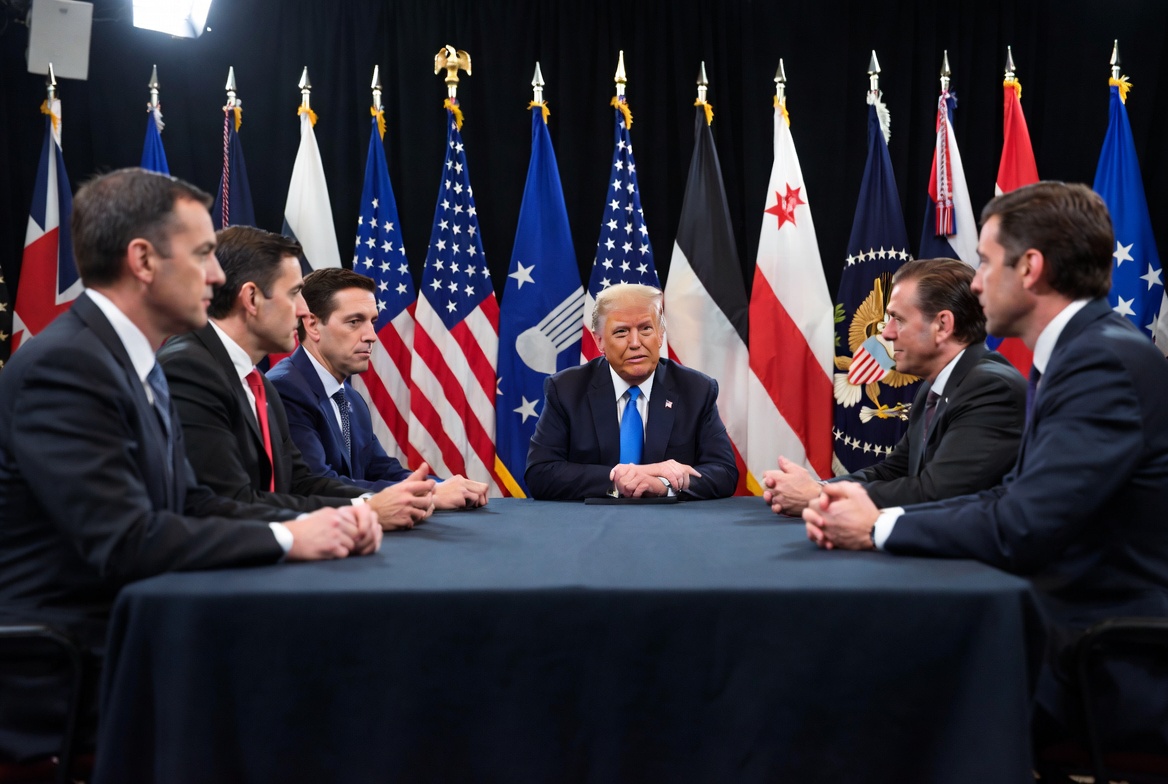
On April 22, 2026, President Donald Trump extended the United States ceasefire with Iran after Iran skipped the scheduled negotiating session in Pakistan. Trump announced the extension on social media, citing a request from Pakistani Field Marshal Asim Munir and Prime Minister Shehbaz Sharif, and stating that Iran's leadership would be given additional time to submit a proposal. Asian markets were broadly stable on the news, with the Nikkei 225 hitting a record high of 59,349 the previous session and maintaining gains, and the Kospi holding above its own record levels. WTI crude oil fell 0.55 percent to $89.12 per barrel while Brent held at $95.11.
The April 22 ceasefire extension followed a pattern that has now become the defining diplomatic market rhythm of 2026. The two-week ceasefire announced on April 8 produced the most dramatic single-day oil collapse since 2020. The subsequent period of negotiation uncertainty and then the extension again on April 22 produced a more measured market response, with oil falling modestly rather than collapsing. This evolution in market response to the same type of diplomatic event reveals something important about how sophisticated financial market participants are processing the US-Iran situation, and it has direct implications for how financial brands in Southeast Asia should be explaining this dynamic to their retail trading audience.
The Diminishing Surprise Premium in Ceasefire News
The first ceasefire announcement on April 8 was a genuine market surprise. Oil had been trading above $141 per barrel as the Strait of Hormuz closure approached its sixth week. The announcement of even a two-week ceasefire was sufficient to trigger a 16 percent single-day oil collapse because the market had priced a substantial supply disruption premium that the ceasefire suddenly appeared to be removing.
The April 22 extension produced a much smaller oil market reaction because the market has now calibrated to the regime of ongoing negotiations, fragile extensions, and uncertain outcomes. The ceasefire is no longer a binary event. It is a process with a probability distribution, and the market has moved from pricing binary outcomes to pricing probability-weighted scenarios across a range of negotiation trajectories.
This is a more sophisticated market environment than the binary volatility of the early ceasefire period, and it produces a different pattern of trading opportunity. The large directional moves driven by binary surprise events have partially given way to more nuanced positional trading based on analysis of where the oil market is priced relative to the probability distribution of negotiation outcomes. For retail traders in Southeast Asia who have been building market sophistication through the volatility of the preceding weeks, this transition creates an opportunity to demonstrate analytical capability that distinguishes the most capable members of the trading community.
For financial brands, this transition is a content opportunity of the highest order. The shift from binary event trading to probability-weighted scenario analysis is precisely the kind of market sophistication progression that educational content can explain, support, and benefit from.
Why Asian Markets Remain Structurally Resilient
The fact that the Nikkei and Kospi simultaneously hit record highs on April 21, the day before Trump's latest ceasefire extension, while oil remained elevated and the geopolitical situation remained unresolved, reflects a structural market insight that the most sophisticated institutional investors in the region are acting on: the AI technology cycle is more powerful in the medium term than the energy geopolitical cycle for the specific sectors driving Asian equity market performance.
Wells Fargo's chief equity strategist told CNBC on April 21 that the economy would be fine for the next three months. Goldman Sachs has a Kospi target of 8,000 and a year-end gold target of $5,400. Both institutional houses are simultaneously bullish on Korean tech and on gold, reflecting a market consensus that the AI super-cycle and the geopolitical safe-haven demand for gold are both durable themes that will sustain market activity regardless of the near-term resolution or continuation of the Iran conflict.
For Southeast Asian retail traders navigating the April 22 ceasefire extension, the most commercially valuable thing a financial brand can provide is a clear framework for thinking about these simultaneous market cycles, what the ceasefire extension means specifically for oil positioning, how it interacts with the gold market's safe-haven dynamics, and why Korean and Japanese tech equities can continue hitting records in this environment. Providing this analytical framework is the highest form of trust-building available to a financial brand in the current market, because it demonstrates that the brand understands the market at the level that the audience needs to navigate it successfully.