This Is Labour Day Across Most of Southeast Asia. Markets Are Thin, Japan Is on Holiday, and the Week Closes With More Open Questions Than Answers.
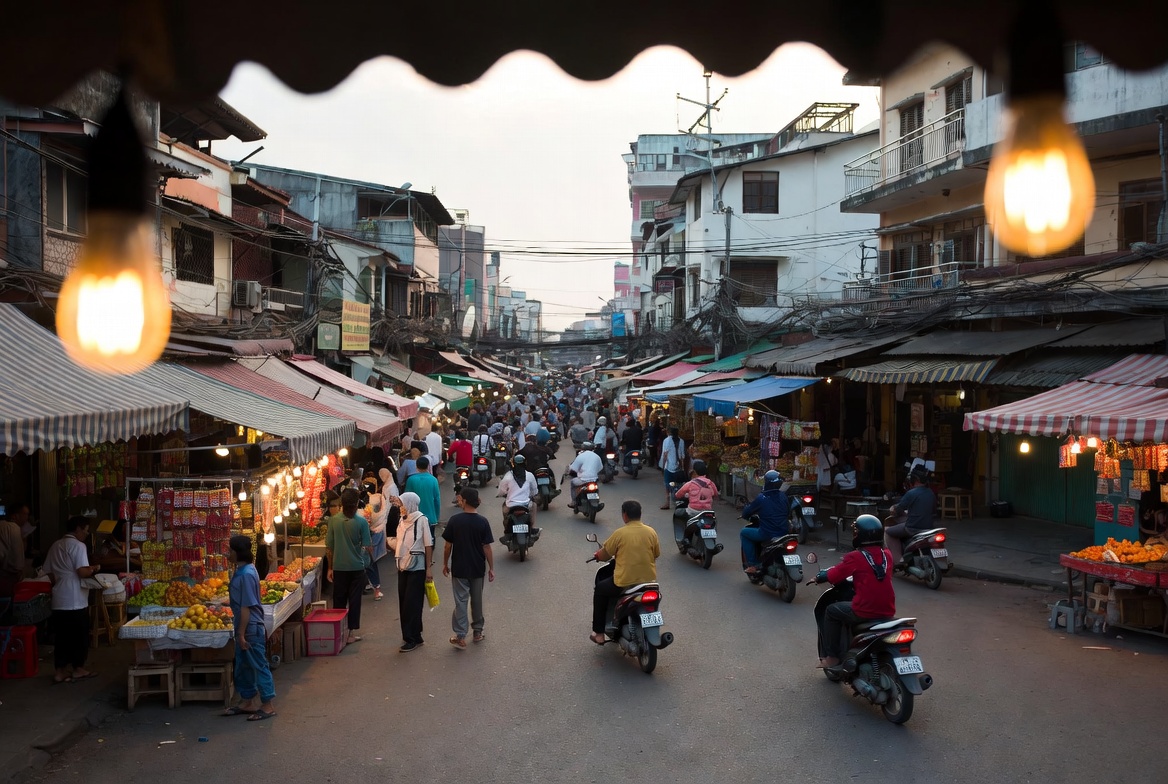
May 1 is Labour Day across Thailand, Vietnam, Indonesia, Malaysia, and most of the region. Major Asian financial centres including Singapore, Hong Kong, and mainland China are closed. Japan is entering Golden Week. For the traders who are watching markets today, the thin Friday is the right moment to take stock of what this week actually resolved and what it left open.
Today is Friday May 1, 2026. It is Labour Day across most of Southeast Asia and the world. Major financial centres in Singapore, Hong Kong, and mainland China are closed. Japan has just confirmed its first currency intervention in nearly two years and is entering Golden Week, with markets closed Monday through Wednesday. The Asia-Pacific trading session today was, by the standards of recent weeks, subdued.
That quietness is appropriate. The week that ends today contained more consequential market developments than most months. And the appropriate response to a week of extraordinary market events is not more noise. It is clarity about what was actually resolved and what remains open.
What This Week Resolved
The Federal Reserve's April 29 decision resolved one specific uncertainty that markets had been holding: Jerome Powell's personal exit timeline. His final press conference ended with applause, a handshake with history, and his confirmation that he will remain as a Fed governor for a period to be determined but will cede the chair to Kevin Warsh on May 15. The transition date is now certain. The policy consequences of that transition are not.
The Senate Banking Committee's 13 to 11 advancement of Warsh's nomination resolved the question of whether the confirmation process would be derailed by the political complications around the DOJ investigation of Powell, which was transferred to the Fed's inspector general's office just in time to remove Senator Tillis's block on the vote. Warsh is on track. The full Senate vote is expected before May 15.
The Magnificent Seven earnings this week resolved the near-term directional question for US technology equities. Meta reported 33 percent revenue growth with a 41 percent margin. Alphabet surged on 22 percent revenue growth and 81 percent net income growth, with cloud backlog hitting $460 billion. Amazon rose nearly 3 percent on cloud revenues growing 28 percent year over year. These are not companies reporting a good quarter. These are companies reporting a structural earnings expansion that is compounding quarter after quarter in ways that explain why Goldman Sachs has raised its Kospi target to 8,000 and why the S&P 500 hit an all-time high on Wednesday April 30 despite oil being above $100.
What This Week Left Open
The Iran ceasefire is indefinitely extended but the naval blockade of Iranian ports continues. Iran seized two ships in the Strait of Hormuz on April 22 even after the ceasefire extension was announced. Oil at $106 reflects a market that has partially but not fully priced the resolution of the supply disruption. The structural energy cost story is not resolved. It is paused in a diplomatic holding pattern with an uncertain exit.
The yen's direction after Japan's intervention this morning is unresolved. The intervention sent dollar-yen from 160.72 to below 156 in a single session. Whether that level holds through Golden Week, when Japanese markets are closed and the intervention warning is active but real-time response is slower, is a question that next week will answer. The Tokyo CPI miss that justified the BOJ's rate delay creates a genuine analytical tension for yen traders. Lower inflation data argues against BOJ hikes, which would otherwise support the yen. The intervention demonstrates willingness to defend currency levels by force rather than by rate policy.
The Fed's internal composition question is unresolved. Four dissents at the April 29 meeting, two wanting to cut faster and three wanting to lean hawkish, reveals a committee that is genuinely divided in ways that make the first months of Warsh's chairmanship analytically unpredictable. The first meeting under Warsh is June 16 to 17. Between now and then, the market will be processing every piece of economic data, every Warsh public statement, and every indication of which way the Fed's internal consensus is leaning.
What Closes Well for Southeast Asia Heading Into the Weekend
For retail traders across the region who are wrapping up their week on this Labour Day Friday, the closing picture for Southeast Asian financial markets is more constructive than the geopolitical noise of the past month might suggest.
ASEAN is structurally positioned on the winning side of the global economic bifurcation. The McKinsey research confirmed 14 percent export growth. Vietnam's FTSE reclassification path is clear for September. Malaysia's ringgit is the regional currency outperformer. Microsoft and Google are committing billions to digital infrastructure in Thailand. The Kospi is at record highs with Goldman Sachs targeting 8,000. The AI semiconductor cycle that is driving those records has three years of supply-demand imbalance visibility, confirmed by SK Hynix's CFO from the demand side and Intel and MaxLinear from the supply side.
The week ahead brings the RBA meeting on Tuesday, US ISM Services PMI, Switzerland CPI, New Zealand employment data, China services PMI, and the US April jobs report on Friday May 8. The ceasefire diplomatic timeline continues. The Warsh confirmation final vote approaches. Japan watches its Golden Week markets with intervention warnings active.
For Southeast Asian retail traders, this is a market that rewards preparation, analytical clarity, and the discipline to hold a structural framework while navigating daily noise. The brands that have built those analytical foundations in their content and community are the ones whose clients arrive at weeks like this one better prepared to act with confidence than those who are reacting to each headline without the structural context to evaluate what it actually means.