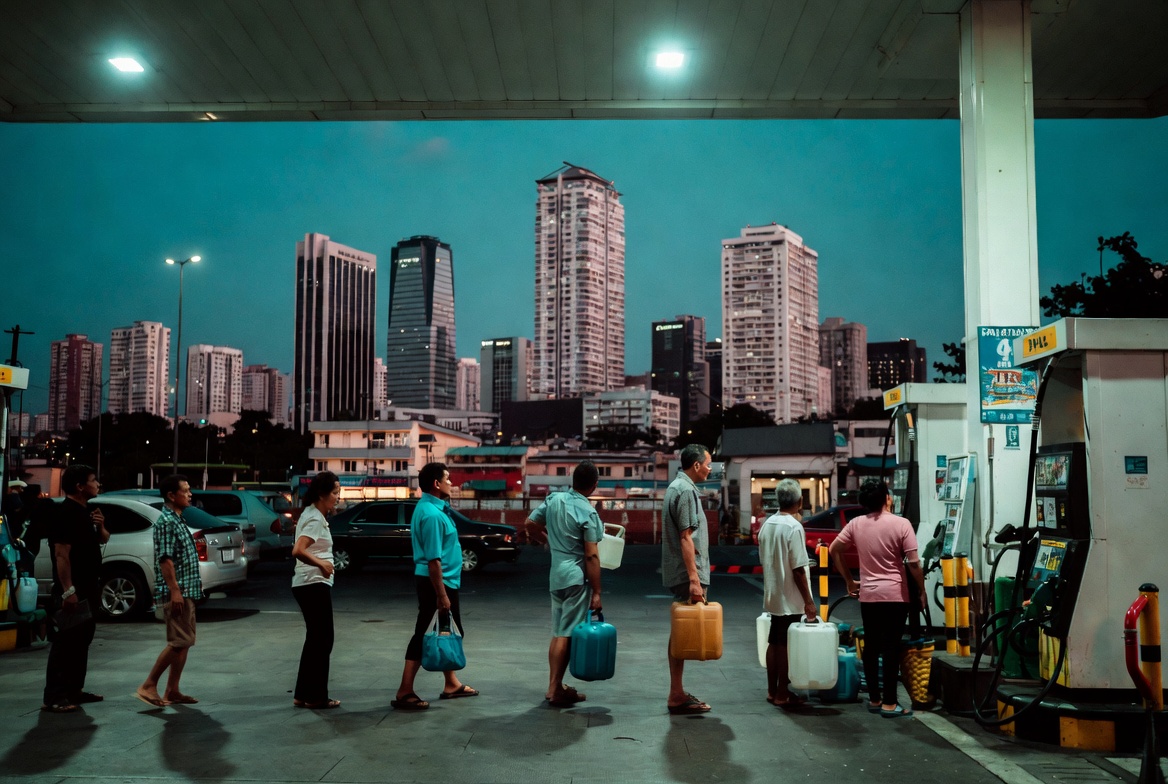
The Philippines Declared an Energy Emergency. What It Means for Financial Brands Entering Southeast Asia's Second Largest Retail Trading Market
The Philippines declared a state of emergency as the Strait of Hormuz crisis cut fuel supplies. For financial brands, the country's economic vulnerability is both a positioning risk and a trust-building opportunity that most brokers are ignoring.
The Philippines declared a state of emergency in late March 2026 as the Strait of Hormuz crisis deepened and fuel supplies tightened across the country. Vietnam simultaneously faced oil reserves estimated at less than 20 days. Indonesia and Pakistan maintained reserves of around 20 days. The Philippines, Thailand, Malaysia, and Brunei collectively rely on imports for 60 to 95 percent of their crude supply, with the bulk of that supply historically transiting the Strait of Hormuz.
This energy vulnerability profile of Southeast Asian economies is not new information to the financial brands that have been tracking the Iran conflict closely. What is less well understood by most international brokers and financial brands targeting the region is what these emergency-level energy disruptions mean for the retail trading and investment audience they are trying to reach, and what the right strategic response is for brands that want to build trust in this environment.
Energy Crises Are Financial Literacy Acceleration Events
When a government declares a state of emergency related to fuel supply, it forces an entire population to reckon with economic concepts that most people in normal times engage with only abstractly. Inflation becomes immediate and personal when fuel prices double. Currency depreciation becomes tangible when import costs for fuel denominated in US dollars rise while local purchasing power falls. Interest rate expectations become relevant when central banks are forced to choose between fighting energy-driven inflation and supporting growth.
The Philippine population of approximately 115 million people does not have 115 million people who regularly trade forex or CFD products. But it does have a population that, during a declared energy emergency, is being given a real-time lesson in macroeconomics that creates financial awareness in the most personal and memorable way possible. The Philippine peso's movement during the crisis, the inflation numbers being reported, and the central bank's policy response are not abstract financial news for Filipinos living through fuel rationing. They are lived economic experiences that create lasting financial awareness.
For financial brands, this matters because awareness is the first stage of the acquisition funnel. The population that gains genuine financial awareness through a crisis experience is more receptive to financial education, more likely to research investment and trading products, and more ready to consider opening a trading account than the same population in normal market conditions. The brands that are present with relevant educational content during the crisis moment and in the months following it capture audience attention at a point of maximum receptivity.
What the Right Response Looks Like in the Philippines
The financial brands that build the most durable positioning in the Philippine market during and after the energy emergency are not the ones running performance advertising. They are the ones producing genuinely useful content about what the energy crisis means for Philippine peso currency positions, what the central bank is likely to do with interest rates given the inflation pressure, and how Philippine traders can participate in the commodity markets that are directly connected to the supply disruption they are experiencing.
This content requires market knowledge. It requires understanding of the Philippine peso's specific sensitivity to oil prices given the country's import exposure. It requires awareness of how the Philippine central bank has historically responded to energy-driven inflation. And it requires the ability to communicate this knowledge in Filipino-language or Tagalog-accessible formats that reach the broader retail trading audience rather than only the English-language educated professional class.
The Philippines is often underestimated in broker market prioritization because it lacks the concentrated urban trading community that Thailand has and the institutional market development that Singapore has. But its population of 115 million, its high smartphone penetration, its young demographics, and the financial literacy acceleration that the 2026 energy crisis is producing across the country make it a market that deserves more serious attention than most international brokers are currently giving it.
Positioning During a Crisis Creates Durable Authority
The brands that establish genuine presence in the Philippine market during the energy emergency of 2026 will have something more valuable than advertising reach when the crisis resolves. They will have a track record of being present and useful during a period of acute economic stress. That track record is remembered by communities. It generates the kind of organic word-of-mouth that performance advertising cannot buy. And it builds the foundation of trust that converts from market awareness into account openings and long-term client relationships at a rate that brands appearing after the crisis simply cannot achieve.