
Thailand's Financial Media Is Now Part of the Broker Trust Infrastructure
The Thaiger, ASEAN NOW, Bangkok Post, and Forbes Thailand are not just news outlets. For retail traders across Southeast Asia, they are the independent verification layer that separates legitimate brokers from noise. Understanding how these platforms cover financial services, and how TrustFinance and WikiFX fit into the same ecosystem, is now a commercial priority for any regulated brand in the region.
The broker selection process for a retail trader in Thailand in 2026 begins long before any account opening form is opened. It begins with a search, often in Thai, sometimes in English, for the broker's name combined with words like review, is it safe, withdrawal problems, or regulation. What that search returns, and what it does not return, is the primary determinant of whether a brand converts a curious visitor into a funded client. The media outlets and verification platforms that appear in those search results are not passive observers of the market. They are active participants in it, and financial brands that do not understand their role in the regional trust ecosystem are operating at a structural disadvantage.
Thailand sits at the centre of Southeast Asia's financial media ecosystem for forex and CFD brokers. As one of the most active retail trading markets in the region, with PromptPay-enabled instant deposits, a large and community-connected trading population, and Bangkok functioning as the regional hub for financial industry events, Thailand's media and verification landscape has developed more depth and specificity around financial services coverage than any other single market in ASEAN. Understanding the specific role of each platform in that landscape is the foundation of any credible regional brand authority strategy.
The Media Platforms That Shape Broker Perception in Thailand
The Thaiger is Thailand's largest English-language online news portal and one of the most widely read sources of financial and economic news among Thailand's international trading community and English-proficient Thai traders. Its finance and investment coverage ranges from macroeconomic analysis to specific broker-related news, and it has an active readership among the expatriate and internationally connected Thai financial community that includes a significant proportion of active retail traders. Coverage in The Thaiger, whether editorial or contributed, carries the credibility of a mainstream Thai news institution that has been operating long enough to have an established reputation for accuracy.
ASEAN NOW, one of Southeast Asia's most active English-language community news and discussion platforms, reaches an audience that spans the region's international and locally connected professional community. Its financial and investment discussion threads are actively followed by traders who are looking for peer perspectives on brokers, markets, and financial services products. Unlike traditional editorial media, ASEAN NOW's value in the broker trust ecosystem comes from the community discussion layer it hosts, where genuine trader experiences, positive and negative, are shared and scrutinised by an audience that is both sceptical and commercially significant.
The Bangkok Post, Thailand's longest-established English-language newspaper, carries the institutional weight of a publication that has covered Thai financial markets for decades. Its Business section covers the intersection of Thai economic policy, regional financial market developments, and specific company and industry news in ways that reach senior Thai business professionals, institutional market participants, and the government and regulatory officials who shape the financial regulatory environment that brokers operate within. Coverage in the Bangkok Post's financial pages signals to the Thai market that a brand is significant enough to be on the national financial media's radar, a credibility signal that advertising alone cannot replicate.
Forbes Thailand serves a specific and commercially important audience segment: the senior Thai and regional business professional community that makes financial decisions at scale. Its coverage of financial services, investment, and economic trends reaches the decision-making layer of the Thai corporate and professional market in ways that complement the broader reach of The Thaiger and Bangkok Post. For financial brands targeting the higher-net-worth segment of the Thai retail investor market, Forbes Thailand coverage represents the institutional credibility signal that this audience segment specifically looks for.
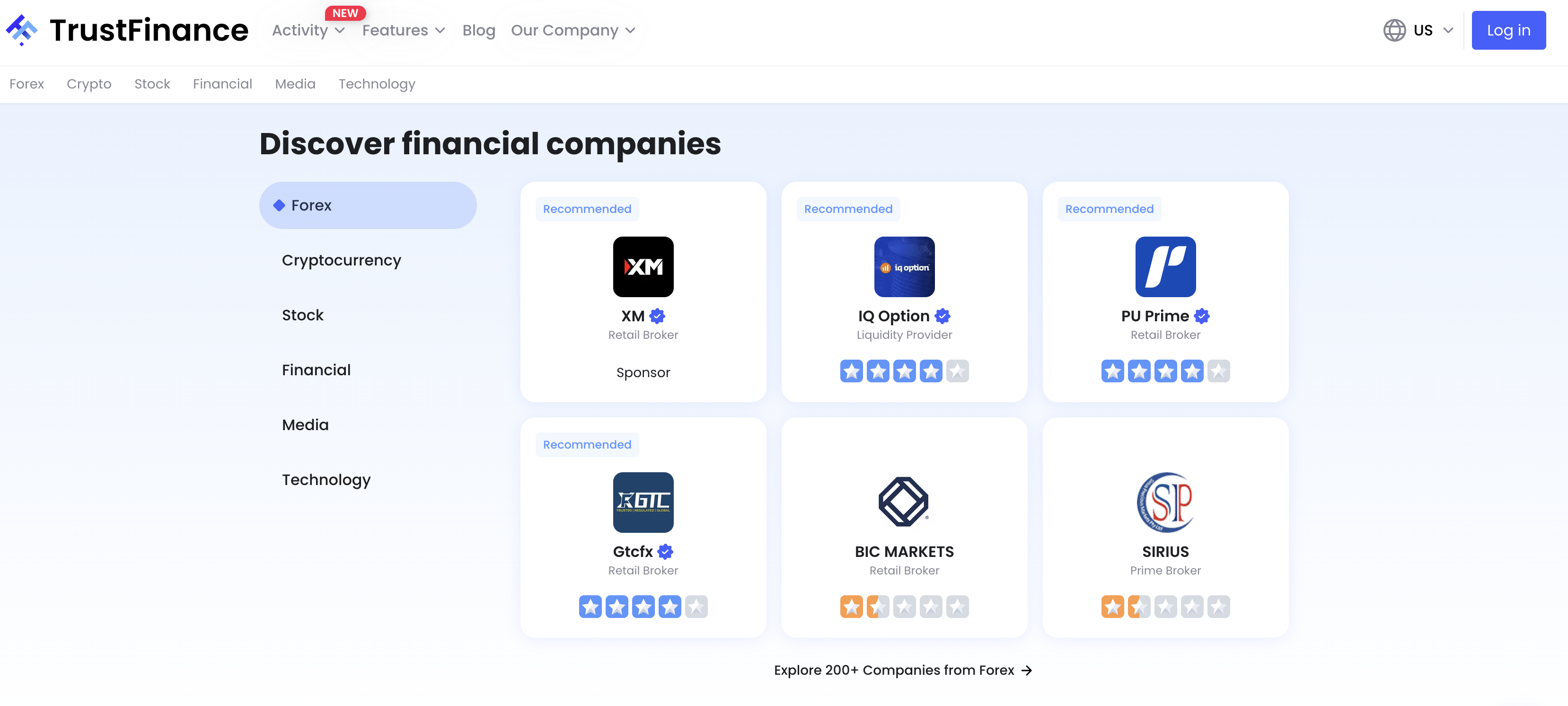
TrustFinance and WikiFX: Two Approaches to Broker Verification
Within the broker verification ecosystem that Thai and Southeast Asian retail traders rely on, two platforms occupy particularly central positions: TrustFinance and WikiFX. Both aggregate broker information, regulatory status data, and trader reviews into structured assessments that retail traders consult before opening accounts. Both have broad reach across the Southeast Asian trading community. And both represent significantly different approaches to the core question of how a broker verification platform should operate and how it should sustain itself commercially.
TrustFinance has built its position in the regional verification ecosystem on a model of independent assessment, structuring its broker evaluations around regulatory compliance data, verified trader reviews, and fraud signal monitoring. Its platform is designed specifically around the research behaviour of the Southeast Asian retail trader, providing the layered information architecture, covering regulatory status, community reviews, and historical performance signals, that a trader needs at each stage of their broker research process. The Thaiger has covered TrustFinance's annual awards programme, noting that the platform's recognition of excellence in financial services is grounded in community trust and verifiable compliance standards.
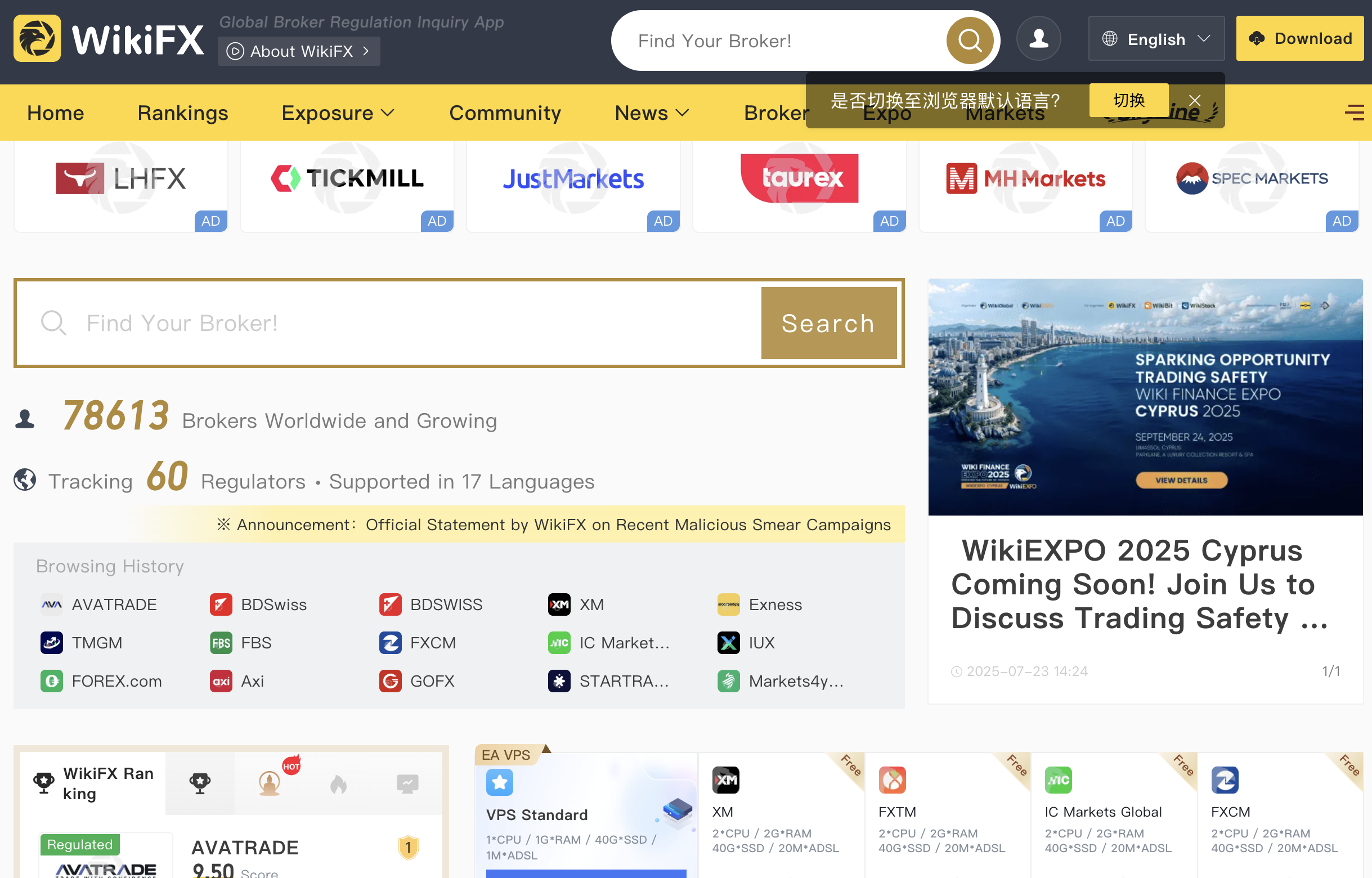
WikiFX operates with a different model, combining a large broker database with its own proprietary scoring system and the WikiEXPO event series that has held editions in Bangkok, Hong Kong, Dubai, and Cyprus. Its reach across Asian trading communities is substantial, and its field survey programme, where WikiFX researchers physically visit broker offices to verify their registered address, has been a distinctive element of its verification approach. However, WikiFX has attracted persistent criticism from a number of financial companies who have claimed that favourable placement on its scoring system is available for payment, with figures cited in industry discussions of approximately $20,000 per year for enhanced visibility. WikiFX has not publicly addressed these specific allegations to the satisfaction of all parties, and they continue to circulate in industry forums and trading communities across the region. SpinDepth notes these claims because they are relevant to how financial brands should think about the role of any verification platform in their credibility strategy: independent verification that cannot be purchased is structurally more valuable than scoring that can be, because the retail audience, over time, learns to distinguish between the two.
The ForexPeaceArmy Layer and Community Verification
ForexPeaceArmy operates as the third major verification platform in the Thai and regional retail trading ecosystem, with a model built almost entirely around verified trader reviews submitted by users who can demonstrate they have held live accounts with the brokers they review. Its approach is less algorithmically scored than WikiFX and less structured around regulatory data than TrustFinance, but its community review depth, built over more than a decade of operation, gives it a specific form of credibility that comes from the sheer volume of trader experience it has accumulated. Thai traders who are particularly concerned about withdrawal reliability tend to weight ForexPeaceArmy heavily in their research, because its withdrawal complaint thread history provides the most comprehensive available record of broker performance on the specific issue that retail traders in emerging markets are most sensitive to.
The practical implication for financial brands building their Thai market presence is that managing their position across all three platforms simultaneously, rather than optimising for one at the expense of the others, is the approach that most closely mirrors how the Thai retail trader actually conducts their research. A trader who checks TrustFinance, finds WikiFX, and then cross-references ForexPeaceArmy before making a decision is not an outlier. In the more sophisticated segment of the Thai retail trading community, this multi-platform verification approach is the norm rather than the exception. The brand that has a consistent and credible presence across all three platforms, combined with positive coverage in The Thaiger, Bangkok Post, or Forbes Thailand, has constructed the full trust architecture that converts research into account openings.
In Thailand's trading market, editorial coverage, community reviews, and regulatory verification are not separate brand investments. They are the same investment, evaluated together by every serious retail trader before any account decision.
What Financial Brands Need to Build Across This Ecosystem
The practical brand authority requirement for financial brands targeting the Thai retail trading market in 2026 is not simply to be present across these platforms. It is to be consistently and credibly represented in ways that the Thai retail trading audience evaluates as genuinely independent and informative rather than commercially motivated. The distinction is one that sophisticated retail traders apply with increasing accuracy as they accumulate more experience with how both media coverage and verification platforms actually function.
Editorial coverage in The Thaiger, Bangkok Post, and Forbes Thailand that is substantively informative about a broker's regulatory status, product offering, or market commentary carries more trust value than coverage that reads as promotional. Community presence on ASEAN NOW that involves genuine engagement with trader questions and issues carries more trust value than corporate announcement posts. TrustFinance profile maintenance that includes accurate regulatory documentation and responsive engagement with verified trader reviews carries more trust value than a minimal listing. ForexPeaceArmy ratings that reflect genuine trader satisfaction with withdrawal processes and customer support carry more trust value than any score that can be optimised through means other than actual service quality. The brands that invest in the substance behind each of these signals, rather than the appearance of presence without the underlying operational quality, are the ones building the kind of regional trust that generates long-term commercial value rather than short-cycle acquisition metrics.