What the Thai SEC Investor Alert List Actually Means for Forex Traders
Thailand's SEC keeps a public Investor Alert list and regularly warns about unlicensed securities, futures, and digital asset operators, including foreign ones. Here is what that list means, why brokers like HFM are not on the local licensed register, and how Thai traders should actually verify a broker.
If you trade forex in Thailand, the most important page you can bookmark is not a broker comparison site. It is the Securities and Exchange Commission of Thailand's Investor Alert list. The SEC maintains this public list to flag firms operating without proper authority, and understanding how it works, and what it does not cover, is the difference between an informed trader and an exposed one.
What the Investor Alert list is
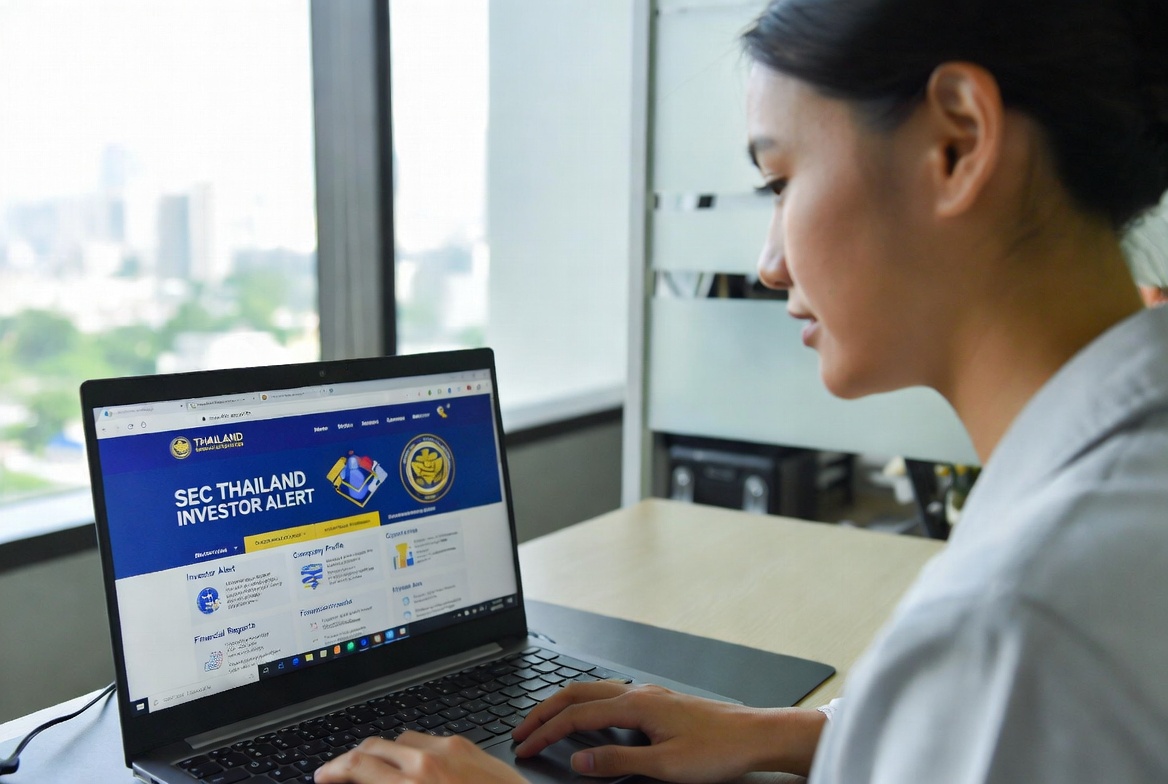
According to the SEC of Thailand, the regulator publishes an Investor Alert in response to tips and complaints about fraudulent solicitation of unauthorized securities and derivatives business. The SEC's position is direct: legitimate businesses are required to receive a license to undertake securities business under the Securities and Exchange Act of 1992, and to be registered for derivatives business under the Derivatives Act of 2003. The SEC notes that in some cases the name of an unlicensed business may resemble or be similar to a licensed one, and warns that they may or may not be related, a caution aimed squarely at clone-firm scams.
As reported by BrokersView, the SEC has issued warnings alerting the public to unlicensed securities, futures, and digital asset operators, including those from abroad. The regulator specifically flagged that investors may be persuaded to use such services through channels including booths set up at exhibitions, and even reminded event organizers to be careful about allowing unlicensed operators to set up booths, warning that doing so may be seen as supporting wrongdoing and could result in imprisonment and fines.
Why brokers like HFM are not on a local licensed register
Here is the part that confuses many traders. Large international brokers such as HFM, formerly HotForex, are not licensed by the SEC of Thailand, and neither are most of the global brokers Thai traders use. This is not because they were rejected or blacklisted. It is because, as ForexBrokers.com confirms, the SEC of Thailand does not currently issue local licenses for retail forex or CFD brokers at all. There is no local retail forex license to hold.
According to TrustFinance, the key reason no forex brokers are licensed by the SEC traces to Thailand's restrictions on foreign currency transactions under the Foreign Exchange Control Act, which limits the public offering of currency exchange services and creates a major obstacle for brokers seeking a local license. HFM itself, according to its broker profile on Investing.com, operates under regulators including the UK FCA, Cyprus CySEC, the Dubai DFSA, the Mauritius FSC, and others. So a broker like HFM is regulated, just not by Thailand. The distinction matters enormously: not being on a Thai licensed register is normal for an international broker, but being on the Investor Alert list as a flagged unlicensed solicitor is a serious red flag.
How a Thai trader should actually verify a broker
The practical takeaway is a simple verification process. First, check whether a broker or any entity soliciting you appears on the SEC's Investor Alert list, which signals the regulator has flagged it. Second, since the broker will not hold a Thai retail forex license, confirm the specific foreign regulator and license number it operates under, and verify that license directly on the foreign regulator's own website. The most respected authorities are the UK FCA, Australia's ASIC, and Cyprus's CySEC, all of which require client fund segregation and negative balance protection, according to ForexBrokers.com.
Third, cross-reference the broker on independent verification platforms such as TrustFinance, which aggregate regulatory status and trader reviews. The SEC also offers a Check First app and a public register of licensed intermediaries, and it runs a Complaint and Whistleblowing Center reachable by calling 1207, according to Fintech News Singapore. A trader who runs these checks before depositing is doing exactly what the regulator intends.
Not being on a Thai licensed register is normal for an international broker. Being on the Investor Alert list is the warning that actually matters.
What this means for brands
For any forex or financial brand operating in Thailand, the lesson is that trust cannot be claimed, it has to be demonstrated. Since there is no local license to point to, the brands that win Thai traders are the ones that are transparent about their foreign regulation, that stay well clear of the kind of unlicensed solicitation the SEC flags, and that build a credible, verifiable presence across the platforms and registers Thai traders check.
FAQs
Q1: What is the Thai SEC Investor Alert list?
A1: It is a public list maintained by the SEC of Thailand flagging firms that solicit securities, derivatives, or digital asset business without proper authorization, including foreign operators, according to the SEC and BrokersView.
Q2: Is HFM licensed by the SEC of Thailand?
A2: No, because the SEC of Thailand does not issue local retail forex licenses to any broker. HFM operates under foreign regulators including the FCA, CySEC, and others, according to ForexBrokers.com and its broker profile.
Q3: Why does no broker hold a Thai forex license?
A3: Because of restrictions under the Foreign Exchange Control Act, which limit public currency exchange services and prevent a local retail forex licensing regime, according to TrustFinance.
Q4: How should a Thai trader verify a broker?
A4: Check the Investor Alert list, confirm the broker's foreign regulator and license directly, and cross-reference independent platforms like TrustFinance, using the SEC's Check First app and the 1207 complaint line.
For brands entering Thailand, the Investor Alert system makes one thing clear: verifiable transparency is the foundation of trust, and that is exactly where SpinDepth helps brands show up.
Source:
Source 1: SEC of Thailand, Investor Alert, https://market.sec.or.th/public/idisc/en/InvestorAlert
Source 2: BrokersView via FastBull, Thailand's SEC Alerts Public to Unlicensed Investment Service Providers, https://www.fastbull.com/brokersview/news/thailands-sec-alerts-public-to-unlicensed-investment-service-providers-245028
Source 3: ForexBrokers.com, 7 Best Forex Brokers in Thailand for 2026, https://www.forexbrokers.com/guides/thailand
Source 4: TrustFinance, Are There Any Forex Brokers Regulated by the SEC Thailand, https://www.trustfinance.com/blog/SEC-Approved-Forex-Brokers
Source 5: Fintech News Singapore, Bybit, OKX Among Five Crypto Platforms to Be Blocked by Thai SEC, https://fintechnews.sg/112193/thailand/thailand-sec-crypto/