
Southeast Asia's Tech Funding Doubled, but Fintech Just Fell Off a Cliff
Southeast Asia tech funding hit 7.4 billion dollars in the first half of 2026, more than double a year earlier. But strip out one data center company and the picture reverses, with fintech funding falling to just 685 million dollars. The money has moved from payments apps to the buildings that hold compute.
On paper, Southeast Asia's startup scene just had a blockbuster half-year. Tech funding across the region hit 7.4 billion dollars in the first half of 2026, more than double the same period a year earlier. But the headline hides a sharp and important reversal. Take out a single data center company, and the region actually raised less than it did last year, and fintech, once the darling of Southeast Asian venture capital, has fallen off a cliff. The money has moved, and where it went says everything about where the region is heading.
The number that is not what it looks like
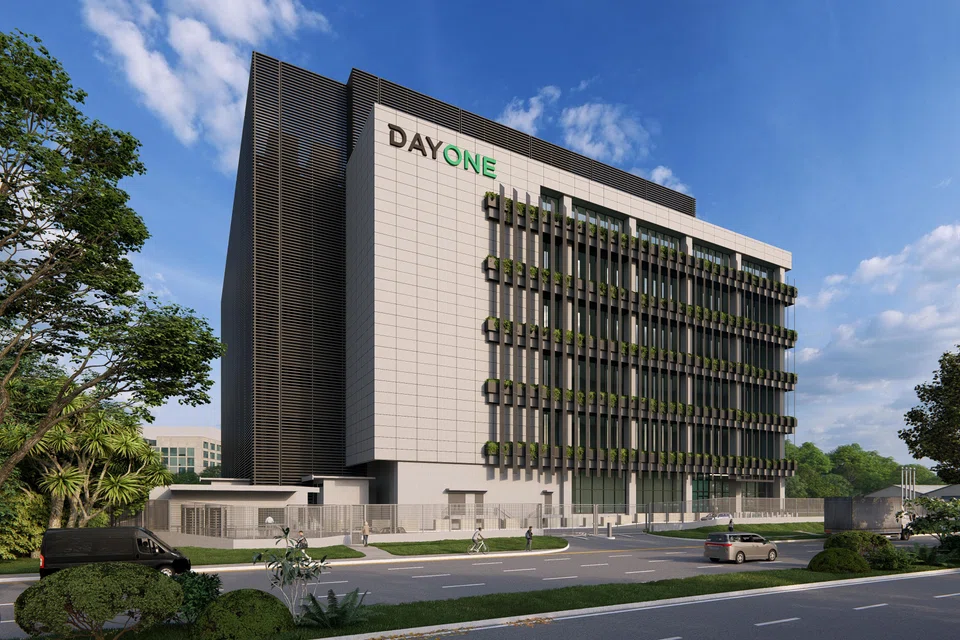
According to Tracxn's Southeast Asia Tech H1 2026 report, released on July 3 and covered by Tech Wire Asia, the region raised 7.4 billion dollars in the first six months of 2026, up 130 percent from 3.2 billion a year earlier. Singapore absorbed 94 percent of it. That looks like a powerful recovery. It mostly is not. According to Tech Wire Asia, of that 7.4 billion dollars, 4.5 billion went to a single company, DayOne, the Singapore-based data center operator, which raised the sum across two Series C rounds to fund buildout. Strip DayOne out, and the region raised roughly 2.9 billion dollars in six months, which is less than it raised in the first half of 2025.
In other words, the rebound is one balance sheet. The rest of the data points the same way, as Tech Wire Asia put it.
Fintech's sharp fall
The most striking part of the report for the financial sector is what happened to fintech funding. According to Tech Wire Asia, by sector, enterprise infrastructure pulled in 5.2 billion dollars and enterprise applications 2 billion, while fintech fell to just 685 million dollars. For a region where fintech, payments, and digital wallets were the defining startup story for most of the last decade, that is a dramatic decline. As Tech Wire Asia summarized it, Southeast Asia tech funding has quietly stopped being about consumer platforms and payments. It is now about compute, and about the buildings that hold it.
The exit data tells the same story. According to Tech Wire Asia, the region recorded 19 acquisitions in the first half, down from 34 a year earlier, but the deals that did close were enormous and infrastructure-focused. KKR and Singtel bought ST Telemedia Global Data Centres for 5.2 billion dollars, and BizLink took Interplex for 900 million. The big money is flowing toward physical infrastructure, not apps.
Why the money moved to data centers
The shift is driven by the global AI boom. Building and running AI systems requires vast amounts of computing power, which requires data centers, which require land, electricity, and water at scale. According to Tech Wire Asia, Malaysia has become where this boom physically happens, with data centers going up around Johor and infrastructure firms building out tower estates and facilities there because the land, power, and water are available. Singapore captures the capital and headquarters, Malaysia captures the physical buildout, and the region as a whole is being reshaped around compute.
This is not unique to Southeast Asia. It reflects a worldwide reallocation of capital toward AI infrastructure. But for a region whose tech identity was built on fintech and super-apps, it marks a genuine turning point in what investors are willing to fund.
Southeast Asia tech funding has quietly stopped being about consumer platforms and payments. It is now about compute, and the buildings that hold it.
What this means for fintech brands
A tighter funding environment does not mean fintech is finished in Southeast Asia. The region still has the demographics, the mobile penetration, and the financial inclusion gaps that made it attractive in the first place, and embedded finance continues to spread through everyday digital life. But it does mean the era of easy money for consumer fintech is over, and the bar has risen. Investors are more selective, and the fintech companies that attract capital now will be the ones with real revenue, genuine differentiation, and clear paths to profitability rather than growth at any cost.
For fintech and financial brands, this raises the stakes on positioning and trust. When funding is scarce and investors and customers are more discerning, the brands that stand out are the ones with a sharp, credible story about why they matter.
FAQs
Q1: How much did Southeast Asia tech funding reach in H1 2026?
A1: 7.4 billion dollars, up 130 percent from 3.2 billion a year earlier, with Singapore absorbing 94 percent, according to Tracxn via Tech Wire Asia.
Q2: Why is the headline number misleading?
A2: Because 4.5 billion of the 7.4 billion went to a single data center company, DayOne. Without it, the region raised about 2.9 billion, less than in H1 2025, according to Tech Wire Asia.
Q3: What happened to fintech funding?
A3: Fintech funding fell to just 685 million dollars, while enterprise infrastructure took 5.2 billion, reflecting a shift toward AI and data center investment, according to Tech Wire Asia.
Q4: Why did money move to data centers?
A4: The global AI boom requires massive computing power, and the region, especially Malaysia around Johor, has become a hub for data center buildout, according to Tech Wire Asia.
For brands entering Southeast Asia, the funding shift means fintech must now compete on substance and trust, and that is exactly where SpinDepth helps brands show up.
Source:
Source 1: Tech Wire Asia, Southeast Asia tech funding doubled to 7.4 billion dollars, https://techwireasia.com/2026/07/southeast-asia-tech-funding-h1-2026/
Source 2: Tracxn, Southeast Asia Tech H1 2026 report, https://tracxn.com