The Philippines Blocked 50 Trading Platforms and Named Exness, HFM and XM
The Philippine SEC issued advisories against HFM and Exness, ordered a cease and desist against a Manny Pacquiao-endorsed XM entity, and asked telecom regulators to block dozens of unauthorised trading platforms. It is one of the toughest broker crackdowns in Southeast Asia.
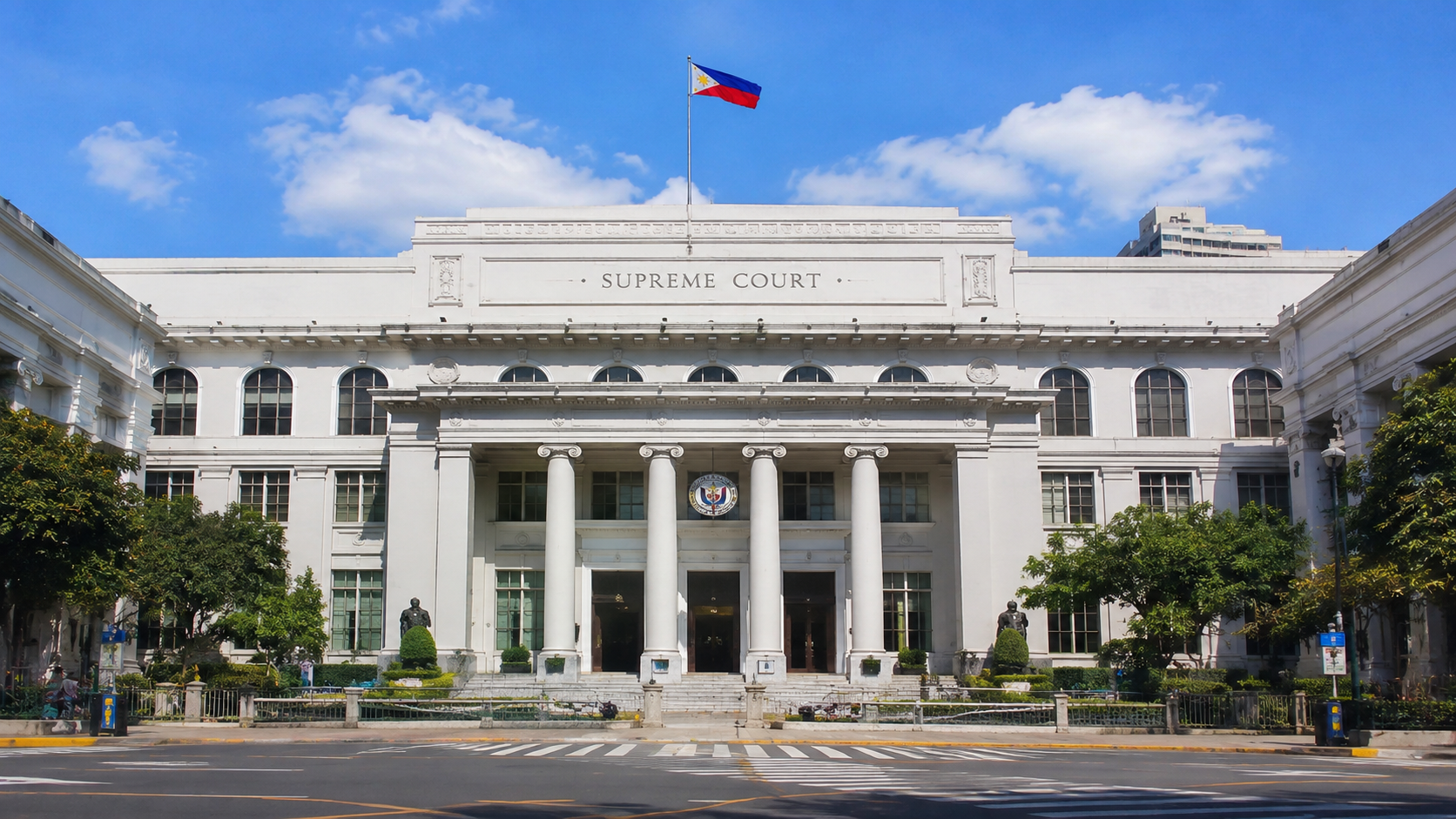
The Philippines has become one of the toughest jurisdictions in Southeast Asia for unlicensed brokers, and it has not been shy about naming names. The Securities and Exchange Commission of the Philippines has issued advisories against some of the largest retail trading brands in the world, ordered a cease and desist against a celebrity-endorsed platform, and asked telecom regulators to block dozens of others from the local internet.
The advisories against Exness and HFM
According to BitPinas, the Philippine SEC issued an advisory against trading platforms HFM, also known as HF Markets, and Exness Global Limited, both available as websites and mobile apps, because they are not authorised to solicit investments from the public.
The regulator's reasoning focused on local targeting. BitPinas reported that the SEC noted HFM describes itself as a platform offering CFDs on forex, commodities, bonds, metals, energies, shares and indices, and that its website is written in the Filipino language, with its app available on Google Play and the Apple App Store. The SEC emphasised that the platform had launched promotional campaigns across social media to solicit Filipino investors.
For Exness, the SEC described a global brokerage giving users access to forex, crypto, stocks and commodities primarily through contracts for difference. BitPinas noted the regulator found Exness had likewise run promotional campaigns on social media and mobile applications encouraging Filipinos to trade through its platform.
The XM cease and desist
The regulator went further with one brand. According to BitPinas, the SEC issued a cease and desist order against Trading Point Holdings Limited, operating under the names XM, XM Global Limited and XM Philippines. The platform had been endorsed by Filipino boxing icon and former senator Emmanuel Pacquiao and by a forex coach and trader.
That detail matters for anyone running celebrity endorsement campaigns in the region. A high-profile ambassador amplifies reach, but it also amplifies regulatory visibility. When the promotion is loud and the licensing is absent, the endorsement becomes evidence.
Blocking at the network level
Advisories were only the first step. BitPinas reported that the SEC ended the year by asking the National Telecommunications Commission to block Interactive Brokers from the Philippine internet ecosystem, and that this was followed by the NTC ordering internet service providers to immediately block access to 50 online trading platforms operating without authorisation from the Bangko Sentral ng Pilipinas.
Blocking at the ISP level is a decisive enforcement tool. It does not require cooperation from an offshore operator, and it makes a platform functionally unavailable to the market regardless of where the company is incorporated.
A high-profile endorsement amplifies reach. It also amplifies regulatory visibility. When licensing is absent, the endorsement becomes evidence.
A regional pattern
The Philippines is not acting alone. Thailand's SEC maintains a public Investor Alert list and has blocked unlicensed crypto exchanges and pursued promoters. Singapore's Monetary Authority of Singapore blocked the websites of several unlicensed platforms in 2025. Indonesia's OJK introduced certification requirements for financial influencers in June 2026.
The common thread is that regulators across Southeast Asia have moved past warnings into direct operational enforcement, and they are increasingly willing to name large, established international brands rather than only small scam operators.
What brokers should take from this
The critical nuance is that being regulated somewhere does not mean being authorised everywhere. Exness holds licences from multiple authorities including the UK FCA and CySEC according to its own regulation disclosures, and XM has secured a category 5 licence from the UAE Securities and Commodities Authority. Neither prevented action in Manila, because the question a national regulator asks is narrow: are you authorised to solicit investors here.
For any broker building Southeast Asian presence, that means treating each market's authorisation requirements as a distinct project, and being careful that localised websites, local-language marketing and celebrity endorsements do not create solicitation evidence in a market where authorisation is missing. This is exactly where SpinDepth helps, building compliant, credible presence market by market.
FAQs
Q1: Which brokers did the Philippine SEC name?
A1: It issued advisories against HFM and Exness for being unauthorised to solicit investments, and a cease and desist order against XM entities, according to BitPinas.
Q2: How many platforms were blocked?
A2: The NTC ordered internet service providers to block 50 online trading platforms operating without Bangko Sentral ng Pilipinas authorisation, following a separate request to block Interactive Brokers.
Q3: Does a foreign licence protect a broker in the Philippines?
A3: No. Authorisation is jurisdiction by jurisdiction, and brokers licensed elsewhere were still named in advisories.
Q4: What triggered the advisories?
A4: The SEC cited local-language websites, apps available to Filipino users, and social media promotional campaigns soliciting Filipino investors.
For brokers entering Southeast Asia, market-by-market authorisation is now the deciding factor, and that is exactly where SpinDepth helps brands show up.
Source:
Source 1: BitPinas, SEC Issues Advisory Against EXNESS and HFM HF Market
Source 2: Exness, Regulation and Group Licenses
Source 3: Monetary Authority of Singapore, Blocking of Unregulated Overseas Online Trading Platforms