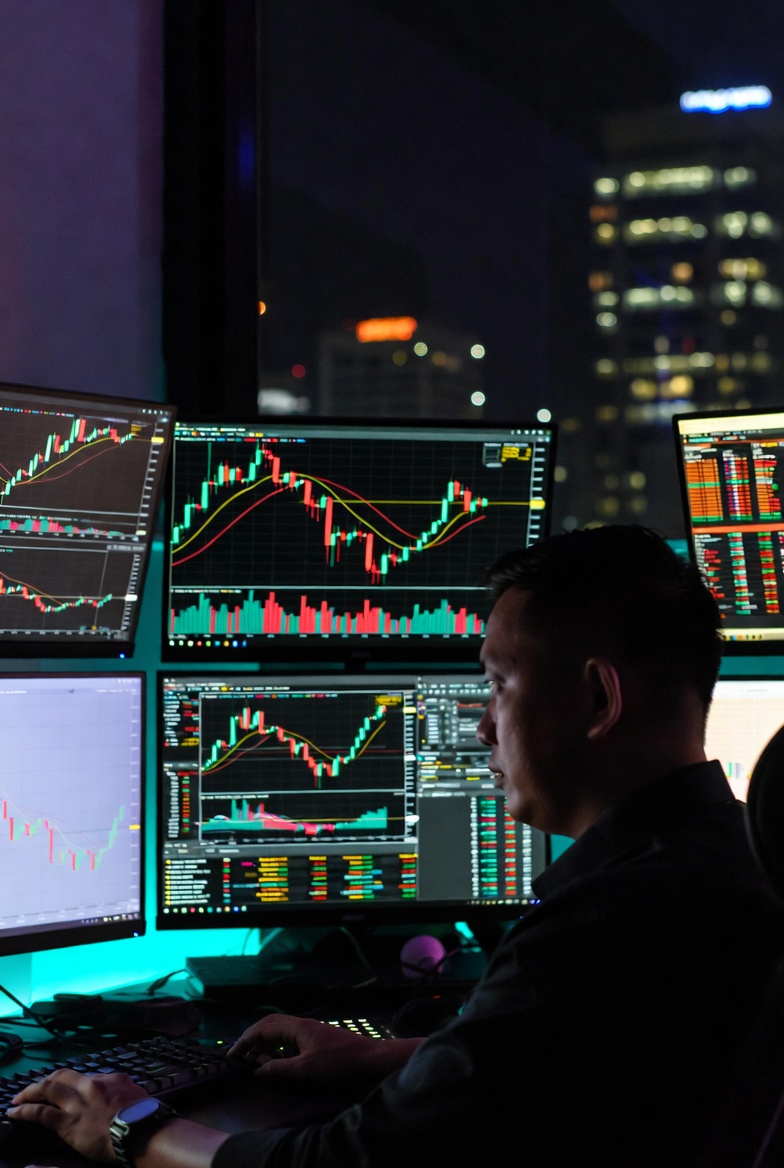
How US Tariff Volatility in April 2026 Is Creating a Defining Moment for Forex Brokers in Southeast Asia
The US reciprocal tariff shock of April 2026 is driving extraordinary currency volatility across ASEAN. For forex brokers with regional presence, this is a client acquisition moment unlike any in recent memory.
On April 2, 2026, US trade policy produced a market shock that reverberated across every financial market in Southeast Asia within hours. The announcement of reciprocal tariffs on ASEAN economies, following the pattern established in 2025 when tariffs on Vietnam, Indonesia, Thailand, Malaysia, Cambodia, and the Philippines were set between 19 and 20 percent, sent regional currencies, equity indices, and commodity markets into the kind of acute volatility that retail traders simultaneously fear and chase.
The ASEAN+3 Macroeconomic Research Office had already revised regional growth forecasts downward in anticipation of sustained trade uncertainty, projecting the region to grow at 3.6 percent in 2026 against earlier forecasts of 4.1 percent. When the April announcement crystallized that uncertainty into a specific policy reality, every retail trader in Thailand, Vietnam, Malaysia, and Indonesia with an active forex account was suddenly sitting on a live market education that no seminar could replicate. And every retail trader who had been considering opening a forex account but had not yet done so had a concrete, immediately relevant reason to think about what currency trading actually means for the assets they hold and the economy they live in.
This is the moment that separates brokers with genuine regional presence from brokers with regional advertising.
Why Volatility Events Are Acquisition Moments
The retail forex trading audience in Southeast Asia does not grow in a straight line. It grows in pulses, and those pulses are almost always correlated with macroeconomic events that make currency movements visible and comprehensible to people who previously had no personal engagement with the concept. The 2025 tariff announcements created one such pulse. The April 2026 escalation is creating another.
When the Thai baht, the Vietnamese dong, the Indonesian rupiah, or the Malaysian ringgit moves sharply in response to a US trade policy announcement, two things happen simultaneously in the retail trading audience. Existing traders become more active, because volatility creates both opportunity and risk that require management. And non-traders become aware of forex markets in a way they were not the day before, because the currency movement has just affected the price of something in their daily life.
For a broker that has built genuine local presence in these markets, the volatility event is a conversion catalyst. They have the media relationships to generate rapid local-language commentary on what is happening and why. They have the community connections to engage with trading forums and Telegram groups where the conversation is happening in real time. They have the educational content infrastructure to serve the non-trader audience that is suddenly curious about what forex trading means in the context of the tariff announcement they just heard about on the news.
For a broker that has only performance advertising in these markets, the volatility event is expensive noise. They can increase their ad spend. But they are competing for attention in a moment when the entire market is producing content about the same topic, and their paid messaging is arriving in an environment where credibility is being established by brands that already have it.
The Supply Chain Dimension
The tariff situation affecting Southeast Asia in April 2026 is not just a currency story. It is a supply chain story, a manufacturing story, and a business uncertainty story that is affecting millions of companies and workers across the region. Vietnam has risen to become one of the US's leading chip suppliers, and the tariff environment directly affects the economics of that position. Indonesia's nickel processing and commodity export industries are navigating tariff structures that change the competitive equation for buyers and sellers across multiple markets. Malaysia and Thailand are managing the consequences of being caught between a US tariff regime that targets their export surpluses and a Chinese manufacturing overcapacity that threatens their domestic industries.
All of this economic complexity translates directly into the kind of informed, motivated retail trading audience that forex brokers most want to serve. A Vietnamese factory owner who has watched their US export contracts repriced by tariff uncertainty is not an uninformed speculator. They are someone with direct personal exposure to currency and commodity market movements who has a specific and grounded interest in understanding how to manage or benefit from those movements through financial markets.
Serving this audience requires more than a trading platform. It requires local market knowledge, local language communication, and the kind of trust signals that tell this audience the broker understands their specific market context rather than treating them as a generic emerging market customer.
What Brokers with Regional Authority Are Doing Now
The brokers that have built genuine authority in Southeast Asian markets are not treating the April 2026 tariff volatility as a moment to increase performance ad spend. They are treating it as a moment to publish, to educate, to communicate, and to demonstrate that they understand what is happening in each specific market and what it means for the traders in those markets.
In Thailand, this means Thai-language content that explains the baht's movement against the US dollar in the context of the tariff announcement, what historical patterns suggest about currency behavior in trade uncertainty environments, and what Thai traders specifically should be thinking about in terms of position management and opportunity.
In Vietnam, it means Vietnamese-language analysis of what the tariff situation means for the country that has gone from a relatively minor US trade partner to one of its top chip suppliers in a remarkably short period, and how the currency implications of that positioning play out in the forex markets that Vietnamese retail traders participate in.
In Indonesia, it means engaging with the largest retail trading audience in the region in Bahasa Indonesia, on the platforms where Indonesian traders actually discuss these issues, with content that demonstrates genuine understanding of Indonesia's specific commodity export position and what the tariff environment means for the rupiah.
The brokers doing this now are not just generating content. They are establishing the credibility that will convert the heightened market interest that volatility events always create into actual account openings and increased trading activity from their existing client base. The window for this specific moment will close within weeks. The trust infrastructure that makes it possible to capitalize on the next one takes months to build.