
Grab Just Bought a U.S. Fintech for $425 Million
On February 11, 2026, Grab announced it had signed definitive agreements to acquire Stash Financial, a U.S. SEC-regulated investment app managing over $5 billion in assets, at an enterprise value of $425 million. It is Grab's first move into the United States market and its clearest signal yet that Southeast Asia's most valuable consumer platform is becoming a global financial services company.
On February 11, 2026, Grab Holdings Limited announced that it had signed definitive agreements to acquire 100 percent of the equity interest in Stash Financial, Inc., a United States digital financial services company regulated by the Securities and Exchange Commission. The initial payment of $425 million covers 50.1 percent of Stash's equity, with the remaining interest to be acquired at fair market value over three years post-closing. The transaction is expected to close in the third quarter of 2026, subject to regulatory approvals. Payment at closing will be made in a combination of cash and stock. The deal was first reported by The Paypers and confirmed through Grab's SEC 6-K filing.
Stash manages more than $5 billion in assets under management and serves over one million paying subscribers through a subscription-based platform that provides investing, banking, and financial education tools. Its AI Money Coach, launched in late 2024, delivers personalised financial guidance built for regulated financial services environments. The business is adjusted EBITDA and cash-flow positive and is expected to generate more than $60 million in adjusted EBITDA in the 2028 calendar year. As Banking Dive reported, Stash will continue operating as an independent brand in the United States post-closing, with its current management team remaining in place.
Nasri Aymen Mohammed, writing on LinkedIn, described the deal as one of the most strategically interesting moves in SEA fintech in recent memory, noting that it combines Grab's ecosystem data and distribution scale with Stash's AI-powered wealth management product and its SEC-regulated US operating infrastructure. The combination of these two capabilities is, as he frames it, a signal that Grab is not simply expanding its fintech product range. It is acquiring the regulatory credibility and AI investing infrastructure needed to compete in institutional-grade financial services markets globally.
What Grab Is Actually Buying and Why It Matters
The $425 million that Grab is paying for Stash buys three things that cannot be built from scratch in any reasonable timeframe. The first is a United States SEC registration as an investment adviser, which gives Grab a regulated operating presence in the world's deepest capital market and the compliance infrastructure required to offer investment products to US consumers and, significantly, to US institutions. Building that regulatory standing from scratch would require years of application processes, compliance investment, and operational history. Acquiring it through Stash compresses that timeline to the closing date of the transaction.
The second is Stash's AI Money Coach infrastructure, which according to American Banker represents a compliance-by-design AI financial guidance product that was specifically built for the regulatory requirements of the US market. This is materially different from the AI financial tools that most APAC fintech operators have developed, which were designed for markets with less prescriptive regulatory frameworks. The AI Money Coach's architecture, built from the ground up to operate within SEC and FINRA requirements, gives Grab an AI investing product that can be deployed in regulated markets globally without the compliance retrofit that would be required of a product designed for less regulated environments.
The third is the subscriber base and the subscription revenue model. Stash's one million paying subscribers represent a recurring revenue stream that is structurally different from the transaction-fee revenue that dominates most of Grab's existing financial services business. Fintechfutures.com noted that the institutional investors who hold the remaining Stash equity include Union Square Ventures, T. Rowe Price, Breyer Capital, and Goodwater Capital, a shareholder list that reflects the quality of the business that Grab is acquiring and the confidence that serious institutional investors have placed in Stash's growth trajectory.
The Profitability Context That Changes Everything
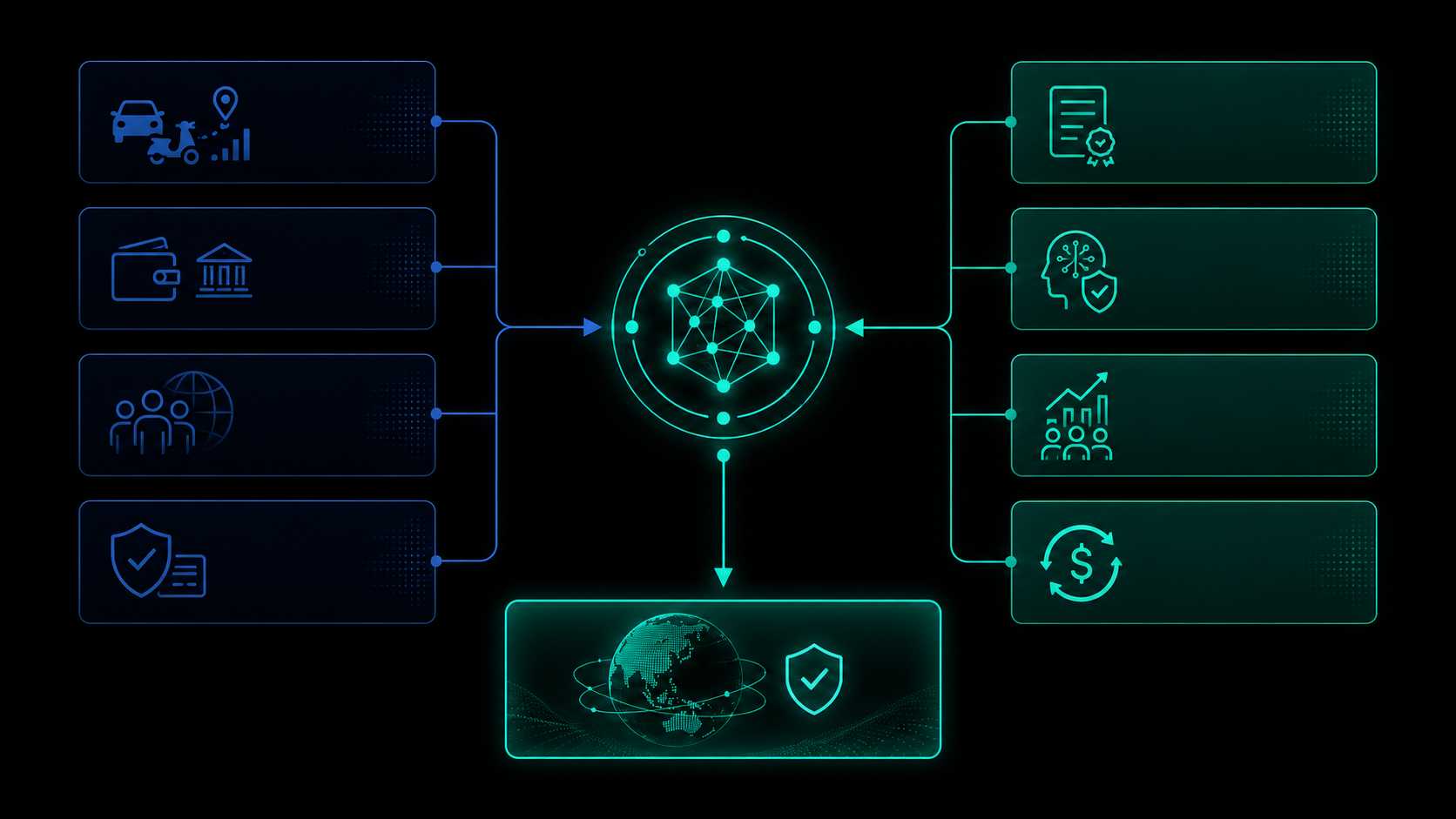
The Grab-Stash announcement landed in the same earnings release in which Grab reported profitability for the first time in its history, generating $200 million in annual profit. As American Banker reported, Mizuho Securities maintained its Outperform rating for Grab following the announcement, noting that Grab beat consensus estimates by 5 percent and that the company continues to diversify its product portfolio and expand geographic coverage. The combination of first-time profitability and a $425 million strategic acquisition in the same announcement represents a specific and commercially significant signal to the investment community: Grab is no longer a growth-stage company burning cash to build market share. It is a profitable platform making strategic investments to define its long-term competitive position.
For the Southeast Asian fintech market broadly, Grab's profitability milestone matters as much as the Stash acquisition. The persistent narrative around Southeast Asian super-apps, that they are perpetually loss-making platforms that subsidise growth at the expense of unit economics, has been a structural constraint on the capital available to the sector. Grab's shift to profitability removes that constraint for its own future capital allocation and provides a proof point for the entire category that the underlying economics of APAC super-app financial services can be positive. The brands and investors that have been waiting for this proof point before committing to the sector have received it.
What This Means for Financial Brands in the Region
The Grab-Stash acquisition has three specific implications for financial brands operating in Southeast Asia that extend beyond the immediate news of the deal. The first is that the competitive landscape for retail financial services in the region is about to be shaped by a now-profitable super-app that has acquired AI investing capability built to global regulatory standards and distribution infrastructure covering 47 million monthly transacting users across eight countries. The retail investing and wealth management space in Southeast Asia is the specific sector where Grab's post-Stash capabilities are most directly competitive with the product offerings of international brokers and financial brands.
The second is that the Stash acquisition signals the direction of M&A activity in APAC fintech for the next 12 to 24 months. As Marketech APAC reported, the deal accelerates Grab's fintech capabilities in a way that is likely to prompt competitive responses from regional peers including Sea Group, GoTo, and the major Southeast Asian banks that are building their own digital wealth management products. The competitive activity this deal catalyses will create both pressure and opportunity for international financial brands that have built genuine local market authority in the region.
The third implication is structural for the trust architecture of the regional financial market. Grab's acquisition of an SEC-regulated investment adviser raises the regulatory credibility benchmark for financial service providers in the markets where Grab operates. When the region's most trusted and most widely used consumer platform is also a regulated investment adviser with US SEC oversight, the implicit credibility standard that retail consumers apply to the financial brands they evaluate is elevated. This is good news for the most well-governed and transparently regulated international financial brands in the region, and it is pressure for those that have been competing on the basis of less rigorous compliance standards.

Grab buying a U.S. SEC-registered investment adviser is not just a geographic expansion. It is a signal that the trust and regulatory credibility benchmark for financial services in Southeast Asia is moving to a global standard.
The Timing of This Deal and What Comes Next
The Grab-Stash transaction is expected to close in the third quarter of 2026. Vietnam's FTSE Emerging Market reclassification takes effect in September 2026. The Federal Reserve under Kevin Warsh will have delivered its first independent rate decisions by the time Stash is fully integrated into the Grab ecosystem. The Indonesian OJK framework for digital financial services will have received its 2026 regulatory updates. The competitive environment that the integrated Grab-Stash platform enters when it closes will be materially different from the one in which the deal was announced in February.
For financial brands planning their Southeast Asian market development strategy across the second half of 2026 and into 2027, the Grab-Stash deal is a forcing function. The brands that have been building genuine regional authority, through local-language market intelligence, community presence, independent verification credibility, and institutional associations, are building in the direction of the competitive environment that the post-Stash Grab will help create. The brands that have not are building against the direction of a market that is moving toward the standard of credibility, compliance, and AI capability that the deal represents.